

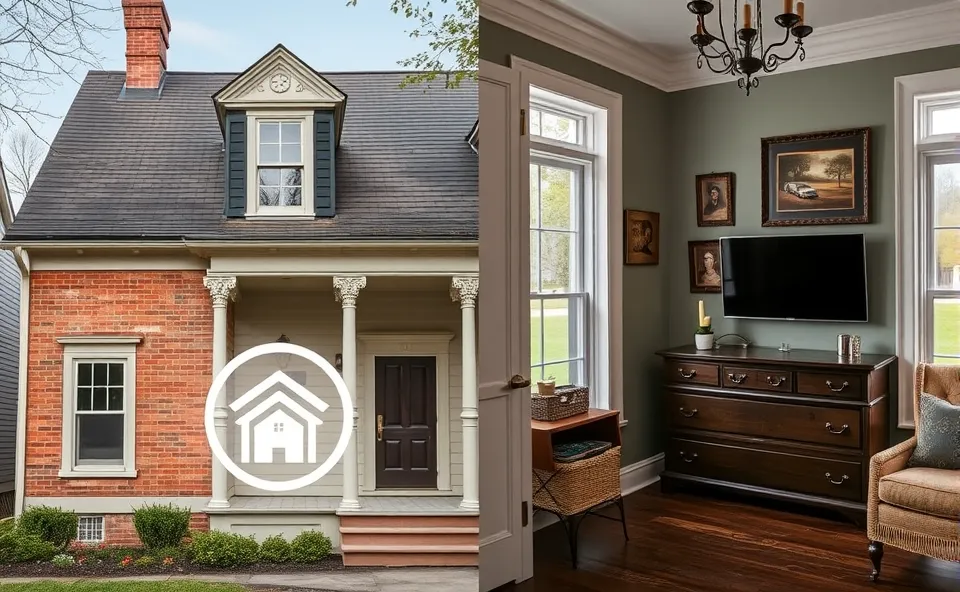
My experiment with modern tech in a century old home
I recently moved into a house built in 1907. It is a beautiful place with high ceilings, original woodwork, and windows that tell a hundred stories. However, it also has quirks that a modern homeowner might find frustrating. The doors are heavy, the lighting is dim, and keeping the temperature even feels like a constant battle. I wanted to see if I could bring my house into the modern era without losing its soul. My goal was to explore how smart home integration works when you are dealing with thick plaster walls and vintage architecture.
I spent the last few months testing various tools to see if I could achieve a balance. I did not want my home to look like a sci-fi movie set. I wanted it to feel like a cozy, historic home that just happened to be very efficient. I focused my efforts on three main areas: security, lighting, and temperature. By testing smart locks, smart lights, and smart thermostat options, I learned a lot about the reality of technology modernization in an older setting.
The process was not always easy. There were moments when a device simply would not connect, or a piece of tech looked completely out of place against a hand-carved door frame. But through trial and error, I discovered that it is entirely possible to enjoy smart home automation while still preserving history. It just takes a bit more planning and a lot of patience.
Why people are choosing to modernize vintage spaces
If you look around at current housing trends, you will notice something interesting. More people are moving away from cookie cutter new builds and looking toward historic homes. These houses have character and craftsmanship that you just cannot find in modern construction. However, many people worry that owning an old house means living in the past, both in terms of style and convenience.
This is why we see a massive surge in interest regarding smart home renovation for older properties. People want the aesthetic of 1907, but they also want the peace of mind that comes with modern security. They want the charm of original fixtures, but they also want to control their lights from their phones. The desire to blend old world beauty with new world ease is a powerful motivator. It is no longer about choosing between a beautiful old house and a functional modern house. Now, we are finding ways to have both.
Efficiency is another major factor. Older homes are notoriously difficult to heat and cool. As energy costs rise, homeowners are looking for ways to manage their climate control more effectively. A smart home setup can help reduce waste by ensuring that heat is only being used when and where it is needed. This makes the move toward smart technology a practical financial decision as much as a lifestyle one.
The challenges of retrofitting old structures
To understand why this is difficult, you have to look at how these houses were originally built. In 1907, the concept of a central smart system was non-existent. Houses were built with thick, solid materials like plaster, lath, and heavy timber. While these materials make a house feel sturdy and quiet, they are a nightmare for wireless signals. Wi-Fi often struggles to pass through multiple layers of old-fashioned walls, which can lead to dropped connections for your devices.
Then there is the issue of wiring. Modern smart home integration assumes that there are neutral wires available in almost every light switch box. In a vintage home, the electrical system might be decades old and may not follow modern standards. This means you cannot simply buy any smart switch off the shelf and expect it to work. You often have to find specific models designed for older wiring, or you have to find workarounds that do not involve tearing into the beautiful original walls.
Even the physical hardware presents a challenge. A sleek, plastic smart lock might look ridiculous on a massive, dark oak door from the early twentieth century. The mismatch in materials can ruin the visual flow of a room. This is why smart home technology in historic settings requires a much more thoughtful approach than it does in a brand new apartment.
What I discovered during my smart home renovation
After months of testing, I have some clear insights into what works and what does not. The key is to choose technology that complements the house rather than competing with it.
Finding the right smart locks
When I started looking at smart locks, I was worried about the appearance. I did not want a glowing LED screen on my front door. I eventually found options that used more traditional metals like brass or matte black iron. These felt much more at home on my vintage hardware. I also learned that because my doors are so thick and heavy, I needed a lock with a very strong motor. Some of the lighter models struggled to fully engage the deadbolt, which defeated the whole purpose of having a security device.
Lighting without the mess
I really wanted to avoid a massive electrical overhaul. I realized that using smart lights was the smartest way to go. Instead of replacing every single switch, I used smart bulbs. This allowed me to keep my original, beautiful light fixtures exactly as they were. I could still dim the lights, change the color temperature to a warm glow, and set schedules. This kept the vintage home technology feeling natural and unobtrusive. If you want to avoid major construction, focus on the bulbs rather than the switches.
Mastering climate control
The biggest win for my home was the smart thermostat. My old house has various temperature zones that are hard to manage. By installing a smart thermostat that could communicate with my older heating system, I could finally stop wasting money. I can now set the heat to lower during the night or when I am away, which is essential for keeping energy bills down in a drafty, older building. It was the most impactful part of my technology modernization journey.
The future of smart technology in classic homes
As we look ahead, it seems clear that the gap between old and new will continue to shrink. We are moving toward a world of invisible technology. I expect to see more sensors and smart devices that are designed to be hidden within architectural details like crown molding or floorboards. The goal will be to provide all the benefits of smart home automation without a single visible wire or plastic gadget.
We will likely see more specialized products designed specifically for historic homes. Manufacturers are starting to realize that a huge segment of the market lives in houses that were not built for the internet age. Future smart locks might look exactly like antique skeleton key sets, and smart lights might be integrated directly into custom-made vintage lamps. The future is not about making old houses look new, but about making new technology feel old.
Frequently asked questions
Can I install smart home technology in historic homes without damaging the walls?
Yes, you can. The best way to do this is to focus on wireless devices and smart bulbs. Using smart lights and smart locks that do not require extensive rewiring is a great way to avoid damaging original plaster or woodwork during your smart home renovation.
Will my Wi-Fi reach through thick walls in a vintage home?
It can be a challenge. Thick walls in older houses often block signals. To ensure your smart home integration works well, you might need to invest in a mesh Wi-Fi system. This will help carry the signal through those heavy, historic walls.
Is a smart thermostat worth it for an old house?
Absolutely. Since many historic homes can be difficult to heat efficiently, a smart thermostat is one of the best pieces of technology for climate control. It helps manage energy use and can save you a significant amount of money over time.
How do I choose smart locks that look good on antique doors?
Look for models that offer finishes like aged bronze, brass, or matte black. Avoid devices with too many bright lights or large touchscreens. The goal is to find smart locks that mimic the style of traditional hardware to help in preserving history.
What is the easiest first step for smart home automation in an old house?
I recommend starting with smart lights. It is one of the easiest and most affordable ways to begin your technology modernization. It gives you immediate control over your environment without the need for complex electrical work or invasive construction.











