

Bridging the Gap Between Professional Recovery and Home Wellness
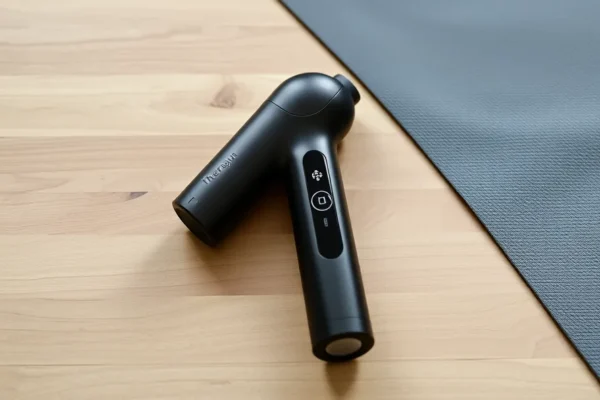
For years, high performance recovery tools were reserved for professional athletes and physical therapy clinics. The concept of percussive therapy, which uses rapid pulses of pressure to reach deep into muscle tissue, was often too intense or too expensive for the average person. However, the introduction of the Theragun Sense by Therabody marks a shift in how we approach everyday wellness. Priced at 299 dollars, this device is designed to move percussive therapy out of the gym and into the living room.
The primary problem the Theragun Sense solves is the accessibility of targeted muscle tension relief. Most people do not suffer from elite athletic injuries, but they do suffer from “desk neck,” lower back stiffness from sitting, and general soreness from light exercise. According to Therabody, the goal is to provide a home massage device that offers professional grade power without requiring a degree in sports medicine to operate. By simplifying the interface and optimizing the ergonomics, this massage gun aims to make daily maintenance a habit rather than a luxury.
The Mechanics of Percussive Therapy
To understand how the Theragun Sense works, it is helpful to first define percussive therapy. Unlike a traditional massage, which uses sliding or kneading motions, percussive therapy delivers short, concentrated bursts of pressure deep into the muscle. This process increases blood flow to the area and helps the nervous system relax the muscle fibers.
Think of it like a tiny, high speed hammer that gently taps a knot in your muscle. If you have a tangled piece of string, you cannot always untie it by pulling on the ends. Sometimes, you need to shake the string or tap it to loosen the knot before it can be smoothed out. The Theragun Sense does this to your muscles. It pushes the tissue down and then releases it quickly, which signals the brain to reduce the tension in that specific spot.
The device achieves this through a motor that drives an attachment head back and forth. While many cheap alternatives only vibrate on the surface, the Theragun technology focuses on amplitude, which is the distance the head travels into the muscle. This ensures the relief is not just a surface sensation but reaches the deeper layers where soreness often hides.
Real World Applications and Everyday Use
Currently, the Theragun Sense is positioned as a mainstream wellness technology tool. It is no longer just for the marathon runner; it is for the parent with a sore shoulder or the office worker with tight calves. We are seeing a transition where these devices are used as part of a nightly wind down routine, similar to how people use a foam roller or a heating pad.
In practical terms, users employ the device for three main scenarios. First is post workout recovery, where the tool is used to reduce the feeling of stiffness after a gym session. Second is the management of chronic tension, such as using the softer attachments on the upper traps to relieve stress headaches. Third is general relaxation, using the device to stimulate blood flow before a stretch.
The device is widely available through major electronics retailers and the official Therabody store. It represents a mature stage of the technology, where the focus has shifted from raw power to user experience and refined ergonomics.
The Competitive Landscape of Home Massage
The market for the massage gun has become crowded. The primary competitor to Therabody is Hyperice, whose Hypervolt line offers a similar percussive experience. While Hyperice often focuses on a smoother, quieter glide, Therabody generally emphasizes a deeper, more aggressive percussion that mimics a deep tissue massage.
Below these two giants are dozens of budget brands, often found on marketplaces like Amazon, offering devices for 50 to 100 dollars. The difference lies in the engineering. Budget devices often use simple vibration motors that shake the skin but do not penetrate the muscle. The Theragun Sense maintains an advantage through its build quality and the specific geometry of its handle, which allows the user to reach their own back and shoulders without straining their arm.
The advantage of the Theragun ecosystem is also its integration with software. While a generic device is just a tool, the Theragun Sense is designed to work alongside wellness apps that guide the user on where to apply pressure, ensuring they do not accidentally massage a bone or a sensitive nerve.
Impact on Wellness and User Behavior
The proliferation of devices like the Theragun Sense is reshaping how we view home healthcare. We are moving toward a model of preventative maintenance. Instead of waiting for a muscle to seize up and then booking an expensive massage appointment, users are now performing “micro recoveries” throughout the day.
Economically, this shifts the market from service based recovery to product based recovery. This creates a new category of home wellness technology that sits between basic fitness equipment and medical devices. Socially, it empowers individuals to take control of their physical comfort, reducing the reliance on over the counter pain relievers for simple muscle tension.
In the short term, we will see more people integrating these tools into their work from home setups. In the long term, this could lead to a decrease in repetitive strain injuries as people become more proactive about muscle tension relief.
Limitations and Current Challenges
Despite its effectiveness, the Theragun Sense is not without its drawbacks. The most prominent challenge is the learning curve. Percussive therapy is powerful, and if used on the wrong area, such as the throat or directly on a joint, it can be painful or dangerous. The device relies on the user to have a basic understanding of their own anatomy.
Cost remains a barrier. While 299 dollars is more affordable than the professional models, it is still a significant investment for a tool that some may only use once a week. Additionally, noise is a persistent issue. Although the Theragun Sense is quieter than its predecessors, the mechanical thumping can still be disruptive in a quiet household.
There is also the physical weight of the device. Holding a powerful motor against your muscles for fifteen minutes can lead to arm fatigue, which is an ironic outcome for a tool designed to relieve tension.
The Future of Percussive Technology
The trajectory of wellness technology suggests that the next step is bio feedback. We are likely moving toward a future where the massage gun communicates with wearable devices. For example, if a smartwatch detects that your right quad is significantly tighter than your left after a run, it could send a notification to the Theragun Sense to suggest a specific recovery routine for that muscle.
We can also expect advancements in motor technology to reduce noise and weight further. Within the next few years, we may see the integration of AI sensors that can “feel” the density of the muscle and automatically adjust the pressure and speed in real time, removing the guesswork for the user.
The goal will be to move from a manual tool to an intelligent system that knows exactly how much soreness relief a specific user needs based on their biological data.
Common Questions About the Theragun Sense
Is the Theragun Sense safe for everyday use?
Yes, it is safe for most users when used on muscle tissue. However, it should never be used on bones, joints, or the neck area near the carotid artery. Always start at the lowest speed to let your body adjust to the pressure.
How does this help with muscle recovery?
The device uses percussive therapy to increase blood flow and break up adhesions in the muscle. This helps flush out metabolic waste and reduces the duration of soreness relief after a workout.
Who is the ideal user for this massage gun?
It is ideal for people experiencing moderate muscle tension relief from sedentary work, as well as fitness enthusiasts looking for a home massage device to aid in post workout recovery.
How does it compare to a foam roller?
A foam roller requires you to move your body weight over the tool, which can be difficult for some areas. The Theragun Sense brings the tool to the muscle, allowing for much more precise targeting of specific knots.
Is it worth the 299 dollar price tag?
For those who struggle with chronic tension or exercise regularly, the build quality and depth of penetration make it a superior choice over budget vibration tools. It is an investment in long term wellness technology.
Note: This review is based on the technical specifications provided by Therabody and general industry standards for percussive therapy. Individual results may vary based on physical health and usage patterns.











