Understanding Political Messaging and Voter Priorities
In politics, understanding how candidates communicate their message is crucial. This is especially true during midterm elections, which often serve as a referendum on the current administration. Political messaging refers to the strategies and themes a candidate or party uses to connect with voters and persuade them to support their cause. Think of it like a company advertising its products. A good advertisement highlights the benefits of the product in a way that appeals to the consumer’s needs and desires. Similarly, political campaigns craft messages to resonate with voters’ concerns and aspirations.
Why should you care about understanding political messaging? Because the messages that candidates deliver can shape policies that directly affect your wallet. Economic policy, for instance, influences everything from the prices you pay at the grocery store to your job opportunities and the value of your savings. When you understand how politicians frame issues, you can better assess whether their proposed solutions align with your own financial priorities.
How Campaign Rhetoric Connects with Voter Demands
Campaign rhetoric is the language and arguments used by political candidates during a campaign. In the context of midterm elections, this rhetoric aims to mobilize supporters and attract undecided voters. For example, if many voters are concerned about rising prices, a candidate might focus their campaign rhetoric on promises to lower inflation. This is a direct attempt to connect their political platform with a pressing voter priority.
Imagine a candidate needs to convince people to vote for them. They wouldn’t just talk about their personal achievements or favorite hobbies. Instead, they would likely highlight how they plan to address the issues that are keeping people awake at night. In the 2022 US politics landscape, a significant voter priority was economic relief due to inflation. This means people were experiencing higher costs for everyday items like food, gas, and housing. A politician’s message would ideally speak directly to these concerns.
A common strategy is to contrast the candidate’s proposed solutions with the perceived failures of their opponents. For instance, a candidate might say, “My opponent’s policies led to these high prices, but I have a plan to bring them down.” This is a clear example of connecting campaign rhetoric to voter demands for lower prices and economic relief.
Why Political Messaging Matters for Your Finances
The way political campaigns frame their messages can have a significant impact on your personal finances and the broader economy. When politicians focus their campaign rhetoric on issues like inflation or job growth, they are signaling what their priorities might be if elected. If a candidate emphasizes policies aimed at reducing inflation, and they win, those policies could lead to lower prices for goods and services over time. This directly affects your purchasing power – how much you can buy with the money you earn.
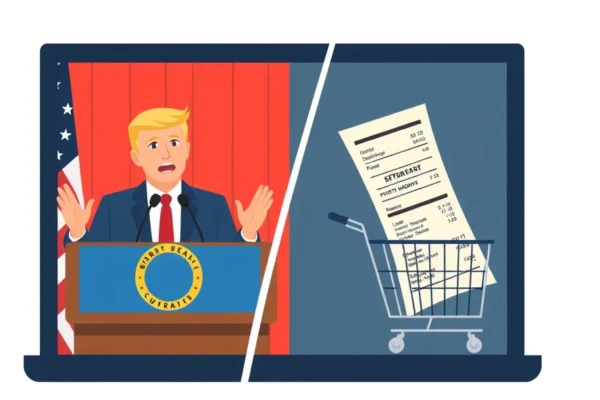
Conversely, if a campaign’s messaging is dominated by personal anecdotes or celebrity endorsements rather than concrete economic policy proposals, it might mean that pressing economic issues are not being addressed with the urgency they require. This can leave voters feeling that their concerns about economic relief are being overlooked. For example, a voter worried about affording their next rent payment might find messages about past accolades less relevant than promises of targeted relief programs or policies designed to curb inflation. Understanding this disconnect helps you evaluate which candidates are truly focused on the issues that impact your financial well-being.
The Evolution of Campaign Messaging in Midterm Elections
The way candidates conduct their campaigns has evolved significantly over time, especially with the rise of mass media and now social media. Historically, midterm election messaging might have focused more on local issues or specific legislative debates. However, as the country has become more interconnected, national economic concerns often dominate the narrative.
The Trump 2022 campaign, for example, saw a mix of messaging. While former President Donald Trump often included tangents about his past achievements and celebrity status, a core component of his pitch and that of his endorsed candidates was a focus on economic issues. This included criticisms of current economic policy, particularly concerning inflation, and promises to restore economic prosperity. Data from various polling organizations leading up to the 2022 midterm elections consistently showed that inflation and the economy were top concerns for American voters, often ranking higher than other issues. For instance, a Pew Research Center survey in late 2022 indicated that a majority of registered voters cited inflation as a critical issue facing the country.
This persistent focus on economic policy in voter priorities underscores the importance of campaign rhetoric in reflecting and potentially shaping public discourse around financial matters.
Navigating Political Messaging and Economic Reality
When you encounter political messaging, especially during election cycles like the midterm elections, it’s important to critically assess what is being communicated. Ask yourself if the candidate’s rhetoric aligns with the economic realities you are experiencing. Are they addressing your concerns about inflation, job security, or the cost of living? Or is the focus primarily on personal narratives or abstract concepts?
A common misconception is that all campaign promises translate directly into immediate policy changes. Politicians often have to navigate complex legislative processes, and economic policy changes can take time to have a noticeable effect. Therefore, it’s wise to look for candidates who not only identify problems but also present credible and detailed plans for addressing them, backed by an understanding of economic policy.
One actionable insight is to research a candidate’s voting record or past policy proposals if they have held office before. This can provide a clearer picture of their approach to economic issues than their current campaign rhetoric alone. Pay attention to how they discuss specific economic indicators like inflation rates or unemployment figures, and compare their proposed solutions to the advice of economic experts.
Connecting Campaign Rhetoric to Broader Economic Concepts
The political messaging surrounding midterm elections is intricately linked to fundamental economic concepts. Understanding how candidates address issues like inflation, unemployment, and economic growth can illuminate their proposed economic policy. For instance, discussions about lowering prices often touch upon monetary policy, such as interest rate adjustments by a central bank, or fiscal policy, like government spending and taxation. The Trump midterm pitch, like many political campaigns, aimed to resonate with voters’ immediate financial concerns, such as the impact of inflation on household budgets. Concepts like supply and demand also play a role; if a candidate promises to increase the supply of certain goods, they are indirectly referencing this economic principle as a means to lower prices.
Furthermore, the effectiveness of campaign rhetoric can influence investor confidence and consumer sentiment, which are key drivers of economic activity. When voters perceive a candidate’s economic plan as sound, it can lead to increased spending and investment. Conversely, uncertainty or a perceived lack of a clear economic policy can lead to caution. Understanding these connections helps in grasping the wider implications of political messaging beyond the immediate election cycle.
Frequently Asked Questions About Trump’s Midterm Messaging
What was the core of the Trump midterm pitch?
The Trump midterm pitch often blended appeals to his base with critiques of current economic conditions, emphasizing issues like inflation and suggesting his past policies were more beneficial for the economy. The goal was to mobilize supporters and attract voters concerned about economic policy.
How did Donald Trump’s personal tangents contrast with voter priorities in the 2022 midterm elections?
While Donald Trump sometimes focused on his celebrity status and past accolades, many voters in the 2022 midterm elections were primarily concerned with economic relief and lowering prices due to high inflation, which was a significant voter priority.
Can campaign rhetoric directly control inflation?
Campaign rhetoric itself does not directly control inflation. However, the economic policies that candidates propose and later implement if elected can influence inflation rates over time. Understanding these proposed economic policies is key.
What are the risks of focusing solely on celebrity and accolades in political messaging?
The risk is that crucial voter priorities, such as economic policy and the need for economic relief, might be overshadowed. This can lead to voter apathy or dissatisfaction if their immediate financial concerns are not adequately addressed by elected officials.
How does campaign rhetoric affect the stock market?
Significant shifts in campaign rhetoric, especially concerning economic policy or regulatory changes, can influence investor sentiment and market expectations, potentially leading to market fluctuations. This is a part of how US politics can impact financial markets.
What should I look for in a candidate’s economic policy during a campaign?
When evaluating a candidate’s economic policy, look for clear, actionable plans that address your financial concerns, such as proposals for managing inflation or creating jobs. Consider their past actions and the potential impact of their proposed measures.
Financial situations vary greatly from person to person. This educational content is for informational purposes only and does not constitute financial advice. It is essential to consult with a qualified financial professional for personalized advice tailored to your unique circumstances before making any financial decisions.