

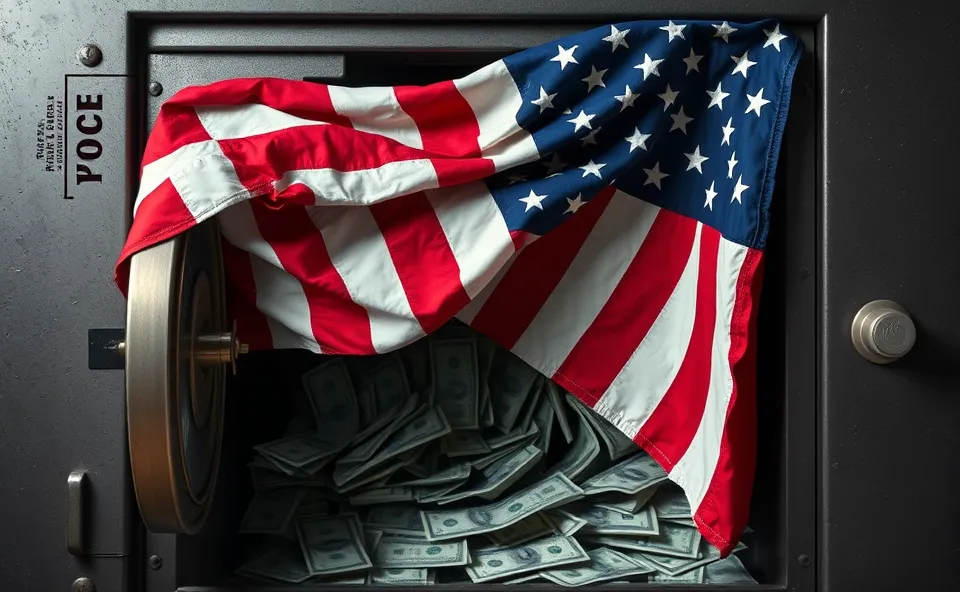
The Balancing Act That’s Not Working
Imagine a household budget. You’ve got essential bills to pay the mortgage, groceries, utilities – that’s your “butter.” Then, you’ve got other things you want to spend on, maybe a new car, a vacation, or upgrades to your home – that’s your “guns.” Now, what happens when a household consistently spends way more on “guns” than it can afford on “butter,” and keeps borrowing to do it? Eventually, the credit card bills pile up, and the ability to pay for the essentials starts to look shaky. That’s a simplified picture of what’s happening with the US government’s finances, and it’s starting to raise some eyebrows about the long term value of US Treasuries.
Why Are We Talking About This Now?
People are paying closer attention to this issue right now because the numbers are becoming harder to ignore. The US national debt is climbing, and the government is spending a lot of money on both defense initiatives and domestic programs. This combination is leading some experts to question the long-term stability and appeal of US Treasuries, which have long been considered one of the safest investments in the world. When the bedrock of your financial system comes under scrutiny, everyone from big investors to everyday folks starts to wonder what it means for the future of US hegemony and global economic policy.
A Little History on the “Guns and Butter” Dilemma
The term “guns and butter” isn’t new. It’s an old economics concept that describes the trade-off a country faces when it decides how much to spend on military goods (“guns”) versus civilian goods and services (“butter”). Historically, the US has often navigated this balance, sometimes leaning more towards one than the other depending on global events or domestic priorities. However, the current era seems to be characterized by a prolonged period of significant spending on both fronts, often without a clear plan for how to manage the resulting debt. This isn’t just about one administration; it’s a trend that has been building over time, with different approaches to fiscal spending contributing to the overall picture.
What This Means for Our Investments and Global Standing
So, what’s the big deal about US Treasuries? They are essentially IOUs from the US government. When you buy a Treasury bond, you’re lending money to the US government, and they promise to pay you back with interest. For decades, these have been seen as the gold standard of safe investments because the US government has always paid its debts. But when the government consistently spends more than it brings in through taxes, it has to borrow more, increasing the national debt. This excessive fiscal spending, the “guns and butter” going overboard, can start to make investors nervous.
Here’s how it can impact things:
- Interest Rates Might Rise: If investors become less confident in the US government’s ability to manage its debt, they might demand higher interest rates to compensate for the perceived risk. This means the cost of borrowing for the government, and eventually for businesses and individuals, could go up.
- Value of Existing Treasuries Could Fall: When new bonds are issued with higher interest rates, older bonds with lower rates become less attractive. This can cause the market value of existing Treasuries to drop.
- Dollar’s Strength Could Weaken: The US dollar is the world’s reserve currency, partly because of the faith in US financial stability. If that faith erodes, the dollar’s standing could be challenged, impacting international trade and finance.
- Threat to US Hegemony: The economic power that underpins America’s global influence and role in international relations is deeply connected to its financial strength. If the US struggles with its national debt and the perceived safety of its Treasuries, its ability to lead and shape global events could be diminished. This isn’t about a sudden collapse, but a gradual shift in global power dynamics.
This situation touches upon many interconnected themes: geopolitical threats might increase if economic power shifts, economic policy decisions become even more critical, and the very notion of financial stability for the US is being re-evaluated. It’s a complex web where fiscal spending directly influences the attractiveness of US Treasuries and, in turn, affects the nation’s position in global power structures.
Looking Ahead: A Shifting Landscape
The path forward isn’t about predicting a doomsday scenario, but understanding potential adjustments. If the US continues on its current trajectory of high deficits and increasing national debt, we could see a gradual increase in borrowing costs. This might force a more serious conversation about long-term fiscal sustainability, potentially leading to a combination of spending cuts, tax increases, or a more robust economic growth strategy. The attractiveness of US Treasuries as a safe haven might face more competition from other countries or asset classes.
It’s also possible that global investors will find new ways to diversify their holdings, looking beyond traditional US assets. This doesn’t mean US Treasuries will become worthless, but their unique position as the undisputed safest asset might be challenged. The US government will likely face increasing pressure to demonstrate a credible plan for managing its debt. The decisions made in the coming years regarding economic policy and fiscal spending will be crucial in shaping the future value of US Treasuries and the nation’s overall economic standing in the world. It’s a marathon, not a sprint, but the early stages of this challenge are becoming more apparent.
Frequently Asked Questions
How does excessive fiscal spending affect the value of US Treasuries?
Excessive fiscal spending leads to a higher national debt. When the government borrows more, it issues more Treasuries. If investors perceive this debt as unsustainable or risky, they may demand higher interest rates, which can decrease the market value of existing Treasuries and make future borrowing more expensive.
What is the connection between US hegemony and the demand for US Treasuries?
US hegemony is partly built on its economic strength and the stability of its financial system. The US Treasury market is a cornerstone of global finance, and strong demand for Treasuries signifies confidence in the US economy. Any threat to this demand can be seen as a challenge to the economic underpinnings of US global power.
Are geopolitical threats linked to the national debt and US Treasuries?
Yes, geopolitical threats can be linked. A rising national debt and potential instability in the US Treasury market can weaken the US’s economic leverage and influence, which could embolden geopolitical rivals or alter international relations. Conversely, global instability can sometimes increase demand for safe haven assets like Treasuries.
What does economic analysis reveal about the current trajectory of US Treasuries?
Economic analysis often points to the growing national debt as a significant factor influencing the long-term outlook for US Treasuries. Concerns arise about the sustainability of current spending levels and the potential impact on interest rates and the dollar’s reserve currency status. The analysis emphasizes the need for responsible fiscal policy.
What are the implications of US hegemony being threatened for the financial stability of the United States?
If US hegemony is threatened due to economic issues like an unmanageable national debt, it could lead to decreased global demand for US dollars and US Treasuries. This could result in higher borrowing costs for the US government, businesses, and consumers, potentially impacting overall financial stability and economic growth.











