

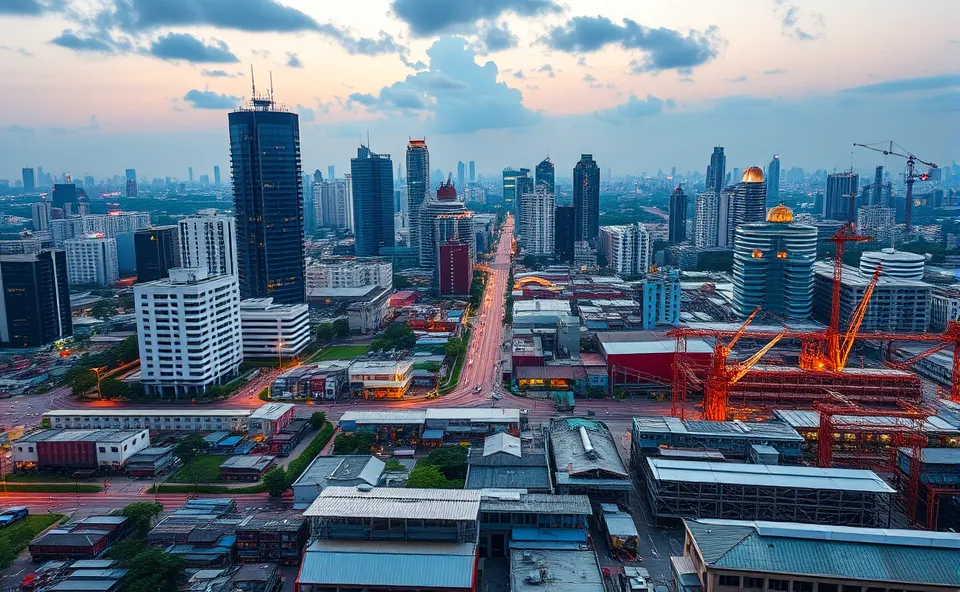
Vietnam’s economic engine has been humming along at an impressive pace for years, and the latest buzz is about its ambitious target: a consistent 10% annual GDP growth. It sounds fantastic, right? But like any fast train, there are tracks to consider, and for Vietnam, these are its manufacturing might, its roads and ports, and the people powering it all. Let’s break down what this ambitious growth plan means for the vibrant economy of Vietnam.
Vietnam’s Growth Engine and That Big 10% Goal
So, what’s the big deal about Vietnam aiming for 10% growth every year? It’s a bold statement about the country’s economic development aspirations. This isn’t just a number; it’s a signal to the world that Vietnam is serious about its position as a key player in Southeast Asia manufacturing and a rapidly developing emerging market. Achieving such high and sustained growth requires a complex interplay of factors, and right now, the conversation is heating up around whether Vietnam can truly sustain this pace.
Why Everyone’s Talking About Vietnam’s Economy Right Now
The renewed focus on Vietnam’s growth target isn’t out of the blue. It comes at a time when global supply chains are shifting. Many international companies are looking for stable, cost-effective manufacturing hubs outside of traditional centers. Vietnam has consistently proven its ability to attract foreign investment and ramp up its industrialization efforts. This makes its economic trajectory and growth potential a hot topic for businesses, investors, and anyone watching the economic development of this dynamic nation. The chatter around the Vietnam economy and its impressive GDP growth is fueled by its increasing relevance in the global marketplace.
A Look Back: How Vietnam Got Here
To understand where Vietnam is headed with its 10% growth ambitions, we need to appreciate its journey. For decades, Vietnam has been transforming from a largely agrarian society into a manufacturing powerhouse. This shift was significantly boosted by economic reforms in the late 1980s, often referred to as Doi Moi. These reforms opened the country to foreign investment and market principles. Over the years, Vietnam has become a significant player in sectors like electronics, textiles, and footwear. Its strategic location in Southeast Asia and a growing, young workforce have been critical to this economic development. This background helps explain the current momentum behind the Vietnam growth story.
The Real Impact of Vietnam’s Growth Ambitions
What does this drive for 10% annual GDP growth mean in practice? For starters, it signals continued opportunities for foreign investment. Businesses looking to diversify their manufacturing bases or tap into a growing consumer market will keep their eyes on Hanoi and other industrial centers. For the people of Vietnam, it means more jobs, potentially higher wages, and an overall improvement in living standards as the economy expands. However, such rapid growth also brings its own set of challenges.
Let’s dive into the key areas that will shape whether Vietnam can hit that ambitious target:
Manufacturing Capacity: The Backbone of Growth
Vietnam’s manufacturing sector is undeniably strong. It’s a magnet for companies seeking to produce goods efficiently and at scale. From assembling electronics to stitching garments, the country has built a robust industrial base. This capacity is the primary engine driving Vietnam’s economic development and its impressive GDP growth. As global demand for manufactured goods continues, Vietnam’s ability to expand its factories, adopt new technologies, and maintain competitive production costs will be crucial. The focus is on not just having the capacity, but also on upgrading it to handle more complex and higher-value manufacturing.
Infrastructure Hurdles: The Roads Less Traveled
While Vietnam’s manufacturing has soared, its infrastructure hasn’t always kept pace. Think about it: you can’t move goods efficiently if your roads are congested or your ports are overwhelmed. Challenges in transportation networks, including roads, railways, and ports, can create bottlenecks. This directly impacts the cost and speed of doing business, which is vital for maintaining competitiveness in the global market. Investments in improving these physical connections are essential for sustaining high levels of economic development. Without a strong infrastructure backbone, the potential of the Vietnam economy can be significantly hampered.
Labor Market Dynamics: The People Power
Vietnam benefits from a large, young, and increasingly skilled workforce. This human capital is a huge asset, attracting foreign investment and fueling industrialization. However, as the economy grows, demands on the labor market change. Ensuring that workers have the right skills for evolving industries, managing wage expectations, and maintaining good working conditions are all critical. The transition from basic manufacturing to more sophisticated production requires a workforce that can adapt and learn. The labor market challenges, therefore, are not just about numbers but about quality and future readiness.
What Comes Next for Vietnam’s Economy?
Looking ahead, Vietnam’s path to sustained 10% annual growth is promising but not without its complexities. Continued strong foreign investment will likely remain a key driver, especially as companies look to diversify beyond China. The government’s commitment to improving infrastructure and investing in education and skills training will be paramount. We can expect further development in special economic zones and industrial parks, designed to attract and support manufacturing. However, navigating the infrastructure constraints and ensuring the labor market can meet the demands of higher-value industries will be ongoing tasks. The overall trend for the Vietnam economy points towards continued growth, but the pace and sustainability will depend on how effectively these challenges are addressed.
Frequently Asked Questions About Vietnam’s Growth
How is the Vietnam economy performing against its growth targets?
Vietnam has a history of achieving strong GDP growth, often exceeding its targets, and the current focus is on maintaining an ambitious 10% annual rate. While achieving this exact figure consistently year after year presents challenges, the overall performance of the Vietnam economy remains robust, driven by its manufacturing prowess.
What are the main drivers of Vietnam’s GDP growth?
The primary drivers of Vietnam’s GDP growth include a thriving manufacturing sector, significant foreign investment, a young and growing labor market, and increasing domestic consumption. Its strategic position in Southeast Asia also plays a crucial role in its economic development.
Are there infrastructure challenges affecting the Vietnam growth story?
Yes, infrastructure constraints are a significant factor. While Vietnam has made progress, its transportation networks, ports, and power grids need continuous upgrades to support the rapid industrialization and growing trade volumes, which are vital for the Vietnam economy.
How does the labor market impact Vietnam’s economic development?
Vietnam’s large and relatively young labor force is a key advantage, attracting foreign investment and supporting its manufacturing sector. However, evolving skill needs and ensuring fair labor practices are ongoing considerations for sustainable economic development.
What does Vietnam’s growth mean for emerging markets in Southeast Asia?
Vietnam’s consistent economic development and manufacturing strength serve as a model and a significant player within Southeast Asia. Its success influences regional trade dynamics and attracts further investment to the broader emerging markets in the region.











