

Buying your first home is a huge step, and you’ll hear a lot of new terms thrown around. One of the most important ones to understand is home equity. It might sound a bit technical at first, but building home equity is actually a fundamental part of what makes owning a home a great financial move. Let’s break down what it is and why it matters so much.
Your Home’s Growing Value: What Exactly is Home Equity?
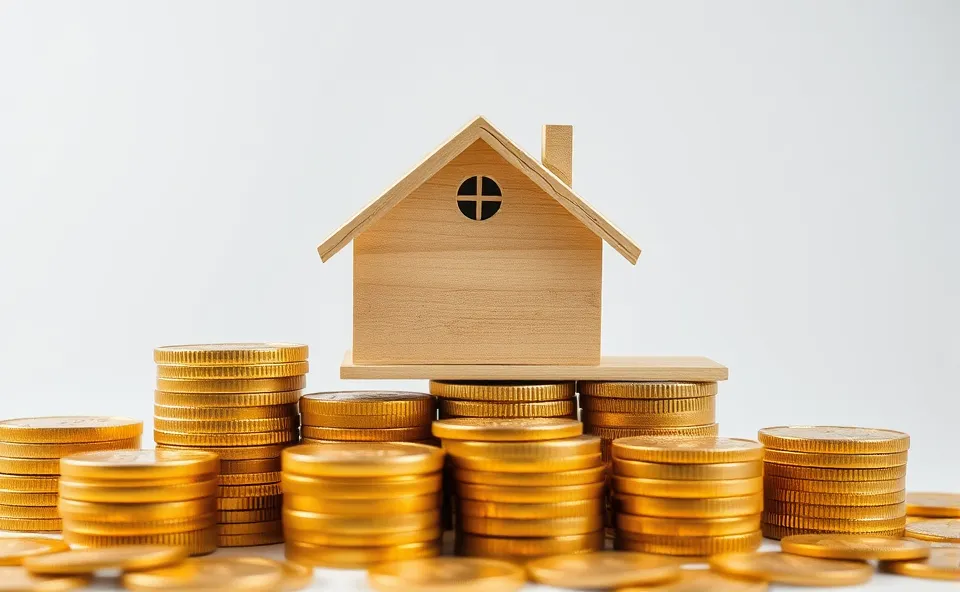
Think of home equity as the part of your home’s value that you truly own, free and clear. It’s the difference between what your home is currently worth and how much you still owe on your mortgage. Imagine your house is a big pie. Your mortgage lender owns a slice of that pie, representing the loan they gave you. The rest of the pie that belongs to you is your home equity. As you pay down your mortgage and your home’s value increases, your slice of the pie gets bigger.
Let’s use a simple example. Suppose you buy a house for $300,000 with a $270,000 mortgage. Initially, your home equity is $30,000 ($300,000 value minus $270,000 loan). Every time you make a mortgage payment, a portion of that payment goes towards reducing the amount you owe. As that loan balance shrinks, your home equity grows. It’s like a savings account that builds up automatically just by owning your home and making those payments.
Why Everyone’s Talking About Building Home Equity Now
You’ve probably noticed more conversations lately about real estate appreciation and smart ways to invest in property. This surge in interest around home equity isn’t random. For many, especially first-time buyers, understanding how to build wealth through home ownership is becoming a top priority. With fluctuating economic conditions, people are looking for stable, tangible ways to grow their assets. Home equity offers exactly that. It represents a significant portion of many households’ net worth, and as the market shows signs of recovery and growth, the potential for increased property value makes equity building an attractive concept. People are realizing that their home isn’t just a place to live; it’s also a powerful real estate investment.
A Little History: How Home Ownership Became an Investment
For a long time, home ownership has been presented as the American dream, a symbol of stability and success. But beyond the emotional benefits, it has also evolved into a significant financial strategy. Historically, owning a home meant you had a place to live and could avoid paying rent. The idea of your home as a growing asset, however, has gained more prominence over the decades. As property values generally trended upwards over the long term, and as mortgage systems became more sophisticated, the concept of building equity became a cornerstone of personal finance. This equity building process allows homeowners to leverage their investment over time, turning a necessity into a wealth-building tool. It’s a journey that starts with that first mortgage principal payment and continues for years.
The Big Picture: What Home Equity Means for You
So, you’ve started building home equity. What’s the big deal? It opens up a world of possibilities. The most direct impact is on your financial security. As your home equity grows, your loan-to-value ratio decreases, meaning you owe less relative to what your home is worth. This can make it easier to refinance your mortgage in the future, potentially securing a lower interest rate or different loan terms.
But it’s more than just your mortgage. Your home equity can become a powerful financial tool. When you’ve built up a substantial amount of equity, you might be able to tap into it through options like a home equity loan or a home equity line of credit. These can be used for various purposes, such as funding major home renovations, paying for education, or consolidating high-interest debt. Importantly, these funds are secured by your home, so they typically come with more favorable interest rates than unsecured loans.
Think about renovations. Investing in your home through upgrades like a new kitchen, bathroom, or energy-efficient windows doesn’t just improve your living experience; it can also boost your property value, further increasing your equity. This is where the dual benefit of home ownership really shines – you’re improving your life today while also enhancing your long-term financial standing. It’s a continuous cycle of equity building.
Even if you don’t plan to borrow against your equity, its growth is a positive sign. A higher equity stake means you have more financial cushion. If you decide to sell your home in the future, a larger equity portion translates into more profit from the sale, which can then be used as a down payment on your next home or for other financial goals.
Looking Ahead: The Continuing Journey of Home Equity
The future of home equity is closely tied to the broader real estate market and economic trends. Generally, as long as property values continue to show a healthy, long-term appreciation, homeowners will see their equity grow. Factors like interest rates, housing supply and demand, and local economic development all play a role in property value. Smart homeowners will likely continue to focus on responsible mortgage payments and strategic home improvements to maximize their equity growth. We might also see continued innovation in how homeowners can access and utilize their equity, making it an even more dynamic part of personal finance. The concept of equity building is set to remain a key aspect of home ownership for years to come.
Frequently Asked Questions About Home Equity
- What is the most straightforward way to define home equity?
Home equity is simply the difference between your home’s current market value and the amount you still owe on your mortgage loan. It’s the portion of your home that you truly own.
- How do mortgage payments directly contribute to building home equity?
Each mortgage payment you make consists of two parts: interest and principal. The portion that goes towards the mortgage principal directly reduces your loan balance. As your loan balance decreases, your home equity increases, assuming the property value stays the same.
- Beyond paying the mortgage, what other factors increase my home equity?
Two primary factors besides your mortgage principal payments contribute to home equity: real estate appreciation, where your property’s value goes up due to market demand and other economic factors, and strategic renovations or improvements that add value to your home.
- What is the loan-to-value ratio, and how does it relate to home equity?
The loan-to-value ratio, or LTV, is a figure lenders use to assess the risk of a mortgage. It’s calculated by dividing the loan amount by the property’s appraised value. A lower LTV means you have more home equity, and lenders often view this as less risky.
- Is building home equity considered a form of real estate investment?
Yes, building home equity is fundamentally a form of real estate investment. By paying down your mortgage and benefiting from property value increases, you are growing your net worth through your ownership of real estate.











