What Are French Debt Concerns?
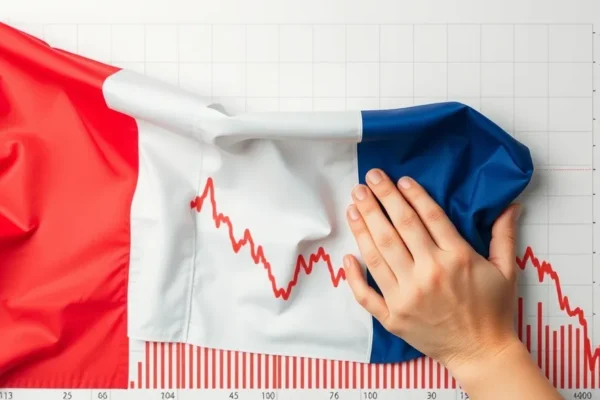
Imagine a household that spends more money than it earns. To cover the difference, it might borrow money, perhaps from a bank or by using a credit card. This is similar to how governments operate. When a government spends more on public services, defense, and other initiatives than it collects in taxes, it needs to borrow money. This accumulated borrowing is called debt. For France, these French debt concerns refer to worries about how much money the French government owes and its ability to repay that debt.
This matters because it’s like a person’s credit score. If a government has a lot of debt and seems to struggle to manage it, it can make people and businesses nervous. This nervousness can affect how much things cost, how many jobs are available, and how well the economy performs. Understanding this is crucial because it influences investment decisions, government policies, and the overall economic health of France and even wider European markets.
How French Debt Concerns Affect French Stocks and the Economy
When worries about a country’s debt grow, it can create a ripple effect. Think of it like a homeowner with a lot of credit card debt. If their neighbors hear about it, they might start wondering if the homeowner can afford to keep up with their bills. This uncertainty can make them hesitant to lend more money or even do business with the homeowner.
In the financial world, this uncertainty translates into changes in investor sentiment. Investors are people or institutions that put money into assets like stocks, bonds, or businesses, hoping to make a profit. If investors become worried about public finances France can manage, they might decide it’s too risky to invest their money there.
Here’s a step-by-step breakdown:
1. Increased Worry About Debt: News emerges that France’s national debt is growing, or its ability to pay it back is questioned. This might be due to higher spending, lower tax revenues, or a combination of factors.
2. Impact on Government Bonds: Governments often borrow money by selling bonds. A bond is essentially an IOU, where the government promises to pay back the borrowed amount with interest over a set period. If investors get nervous about France’s ability to repay, they will demand a higher interest rate to lend their money. This means the bond yields France offers go up, making it more expensive for the government to borrow.
3. Investor Sentiment Shifts: As bond yields rise and concerns about public finances France deepen, investors might see French stocks as riskier. They might worry that a struggling economy or higher borrowing costs could hurt company profits.
4. Selling Frenzy for Stocks: In response, investors might start selling their French stocks. This increased selling pressure can drive down the prices of these stocks, leading to an underperformance of the equity market Europe as a whole, if French stocks form a significant part of it.
5. Economic Slowdown: When stocks fall and borrowing becomes more expensive for businesses and the government, it can stifle economic activity. Businesses might delay investments, cut back on hiring, or even reduce production. This can lead to an economic downturn France might experience. Higher interest rates can also mean it’s more expensive for people to borrow money for homes or cars, slowing consumer spending.
Example: Imagine if a major company announced it was facing significant financial trouble. Investors would likely sell its stock, driving the price down. Similarly, when a country’s finances are questioned, it can lead investors to sell its stocks and government bonds. For instance, during times of heightened uncertainty about sovereign debt in Europe, countries with higher debt levels have often seen their stock markets and bond prices react negatively compared to those with stronger fiscal positions.
Why This Matters to You and the Economy
These French debt concerns might seem distant, but they have real-world consequences that can affect your personal finances and the broader economy.
For Your Personal Finances:
- Investment Returns: If you have investments in French stocks or European funds, a decline in French stocks can reduce the value of your portfolio. Even if you don’t invest directly in France, global market sentiment can influence your investments.
- Job Security: An economic slowdown in France, potentially triggered by debt concerns, can lead to job losses or slower wage growth. This impacts your ability to earn and spend.
- Cost of Goods: If borrowing costs rise for businesses due to higher government bond yields, companies might pass those costs onto consumers through higher prices, contributing to inflation.
- Savings and Loans: Interest rates on savings accounts and loans can be influenced by the overall economic climate. If borrowing becomes more expensive for governments and businesses, it can also affect the rates you get on mortgages, car loans, and credit cards.
For the Economy:
- Reduced Investment: Businesses are less likely to invest in new projects or expand when there’s economic uncertainty and higher borrowing costs. This slows down innovation and growth.
- Government Spending Cuts: If France faces pressure to reduce its debt, the government might cut public spending. This could mean less funding for infrastructure, education, or social programs, impacting public services and jobs.
- Impact on European Markets: France is a major economy in Europe. If its markets underperform due to debt worries, it can drag down other European markets, creating a broader economic challenge. A weak French economy can affect trade partners and companies that do business with France.
- Credit Rating: International credit rating agencies assess a country’s ability to repay its debt. If concerns about public finances France escalate, a country’s credit rating could be downgraded. A lower rating makes it even more expensive for the government to borrow money in the future.
Ultimately, a country’s financial health is like a household’s. If a household is perceived as being in financial distress, it can make it harder for that household to get loans, and its members might face more uncertainty.
A Look at France’s Debt History and Current Situation
France, like many developed nations, has a history of accumulating government debt. This debt has grown over time due to various factors, including funding public services, social programs, and responding to economic crises like recessions or global pandemics. The concept of sovereign debt and its management is as old as modern states, but the scale and complexity have increased significantly in recent decades.
The level of French debt relative to its economic output (Gross Domestic Product or GDP) is a key metric watched by economists and investors. As of recent reports (e.g., from Eurostat or the French National Institute of Statistics and Economic Studies INSEE), France’s debt-to-GDP ratio has been elevated. For instance, by the end of 2023, France’s public debt stood at approximately 110% of its GDP. This level is higher than many of its European peers and is a primary reason for current investor concern.
Several factors have recently brought French debt concerns into sharper focus:
- Persistent Budget Deficits: France has consistently spent more than it collects in taxes, leading to an annual budget deficit that adds to the overall debt.
- Economic Slowdown: Slower economic growth can exacerbate debt problems because tax revenues might fall short, while government spending on social safety nets could increase.
- Geopolitical Tensions and Energy Costs: Global events can increase government spending, for example, on defense or subsidies to offset high energy prices.
- The Looming French Presidential Election: The political climate surrounding elections is often a period of heightened scrutiny for public finances France. Policies proposed by candidates, especially concerning spending or taxation, can significantly impact investor sentiment and perceptions of future debt management. Discussions about reducing the deficit and controlling debt often become central campaign themes, and any perceived lack of a credible plan can spook markets.
These factors combine to create a dynamic where investor sentiment can quickly shift based on economic data, policy announcements, and political developments.
Thinking About French Debt Concerns in Your Financial Life
When you hear about French debt worries in the news, how should you frame it in your financial thinking? It’s not about making specific investment decisions for yourself based on this one piece of news, but rather about understanding the broader context of economic stability.
Common Misconceptions:
- “This only affects French people.” While the most direct impacts are felt in France, interconnected global financial markets mean that significant economic shifts in a major economy like France can have ripple effects worldwide.
- m> “France will default on its debt.” While debt levels are a concern, developed countries with strong economies and their own currencies (like France) have a much lower risk of outright default compared to smaller or developing nations. The concern is more about the cost and difficulty* of managing that debt, and the potential for economic pain along the way.
What to Watch For:
- Government Fiscal Policy Announcements: Pay attention to how the French government plans to address its budget deficits and debt. Are they proposing spending cuts, tax increases, or economic reforms?
- Interest Rate Trends: Monitor the bond yields France offers. Rising yields indicate increased borrowing costs for the government and can signal growing investor caution.
- Credit Rating Agency Statements: Keep an eye on any changes to France’s credit rating. Downgrades can amplify concerns and impact borrowing costs.
- Economic Indicators: Follow key economic data like GDP growth, inflation, and unemployment rates in France and the broader Eurozone.
Actionable Insights (General Thinking):
- Diversification is Key: For investors, understanding that different economies and markets have different risk profiles reinforces the importance of diversifying investments across various asset classes, countries, and sectors. This means not putting all your investment eggs in one basket, especially in a single country or region.
- Long-Term Perspective: Economic cycles and political events are common. For personal financial planning, maintaining a long-term perspective on your investments and goals is crucial, rather than reacting impulsively to short-term news.
Connecting French Debt Concerns to Other Financial Concepts
The issues surrounding French debt are not isolated. They are deeply intertwined with several other core financial and economic concepts. Understanding these connections provides a more complete picture.
- Fiscal Policy: This refers to the government’s use of spending and taxation to influence the economy. When public finances France are a concern, it often means there’s a debate about the effectiveness and sustainability of its current fiscal policy. Are they spending too much? Are taxes too low?
- Monetary Policy: This is managed by a country’s central bank (like the European Central Bank for the Eurozone) and involves controlling interest rates and the money supply. If French debt concerns lead to fears of an economic downturn, the ECB might adjust its monetary policy to try and stimulate growth, which can affect borrowing costs for everyone.
- Sovereign Risk: This is the risk that a government will default on its debt obligations or be unable to meet them. While France is considered a low-risk sovereign borrower, persistent debt concerns can increase its perceived sovereign risk in the eyes of investors.
- Investor Sentiment and Market Psychology: As discussed, fear and confidence play a huge role. Understanding market psychology helps explain why headlines about debt can sometimes lead to overreactions or underreactions in French stocks and European markets.
- Economic Cycles: Economies naturally go through periods of expansion and contraction. French debt levels can become more problematic during economic downturns when tax revenues fall and government spending on social support might rise.
For example, understanding fiscal policy helps explain how government decisions directly contribute to the level of French debt. Similarly, learning about sovereign risk clarifies the potential consequences of a country’s inability to manage its borrowings.
Frequently Asked Questions About French Debt
How do French debt concerns affect inflation?
High government debt can indirectly influence inflation. If a government needs to borrow a lot, it might lead to higher interest rates, which can slow down the economy. A slower economy can sometimes reduce demand, potentially easing inflationary pressures. Conversely, if debt management leads to uncertainty, it could impact currency values or commodity prices, with different effects.
Can individual investors directly control French debt levels or their impact on French stocks?
No, individual investors cannot directly control government debt or market movements. However, they can make informed decisions about their investments by diversifying their portfolios across different countries and asset types to mitigate risks associated with any single market, like the equity market Europe.
What are the main risks associated with high French debt for the economy?
The primary risks include higher borrowing costs for the government and businesses, potential for future spending cuts, a reduced capacity to respond to new economic crises, and a negative impact on investor sentiment, potentially leading to an economic downturn France. It can also put pressure on the government’s credit rating.
How do French presidential election outcomes tie into French debt concerns?
The French presidential election is a critical period. Candidates propose different approaches to economic management, including plans for fiscal policy France. An election outcome that suggests a commitment to fiscal responsibility could ease debt worries, while one perceived as fiscally irresponsible could increase them, affecting French stocks and government bonds France.
What is a credit rating and how does it relate to French debt?
A credit rating is an assessment by independent agencies (like Standard & Poor’s, Moody’s, or Fitch) of a government’s or company’s ability to repay its debt. A higher rating means lower risk, and a lower rating means higher risk. A downgrade of France’s credit rating due to French debt concerns would make it more expensive for the government to borrow money, impacting bond yields France.
Where can I find reliable data on France’s public finances and debt?
Reliable data can be found from official sources such as the European Commission (Eurostat), the French National Institute of Statistics and Economic Studies (INSEE), the Bank of France, and the French Ministry of Economy and Finance. Reputable financial news outlets and economic analysis firms also provide reports and statistics.
Financial situations vary greatly from person to person. This article is for educational purposes only and does not constitute financial advice. It’s important to consult with a qualified financial professional for personalized advice tailored to your specific circumstances before making any financial decisions.