Understanding Voter Anxiety and the US Midterms
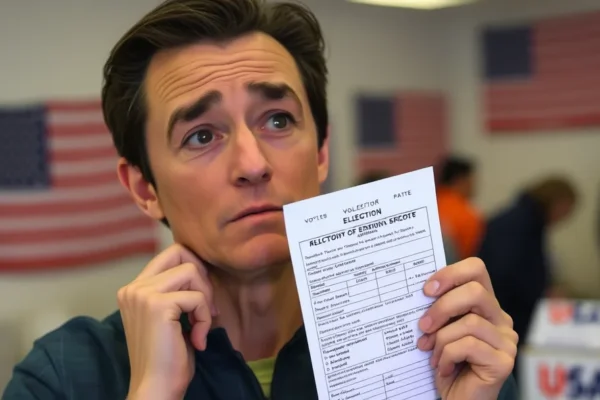
When we talk about elections, especially something as important as the US midterms, it’s easy to get caught up in the daily headlines. But beneath the surface of political races, there’s a powerful undercurrent shaping how people vote: voter anxiety. This isn’t just about who wins or loses; it’s about how feelings of unease, worry, and dissatisfaction can influence economic decisions, consumer confidence, and the overall national mood. For us as individuals managing our finances, understanding this connection is crucial.
What is Voter Anxiety and Why Should You Care?
Imagine you’re planning a big purchase, like a new appliance or even a car. If you’re feeling stressed about your job security or worried about rising prices, you’re probably going to hesitate, right? You might decide to hold onto your money instead of spending it. Voter anxiety works in a similar way, but on a much larger scale. It’s the collective feeling of unease, uncertainty, or dissatisfaction that a significant portion of the electorate experiences regarding the country’s direction, economic stability, or political climate.
This feeling, often fueled by economic concerns and a negative political outlook, can directly impact how people make financial decisions. When voters are anxious, they tend to be more cautious with their spending, less likely to invest, and more focused on immediate financial security. For us, this means understanding voter sentiment can give us clues about potential economic trends, like changes in consumer spending or shifts in market confidence. It helps us see how the human element of worry intertwines with the world of money.
How Voter Anxiety Shapes Election Forecasts
Elections are complex events, and predicting their outcomes is never an exact science. However, one of the key factors analysts and pollsters look at is voter sentiment. When a large number of voters express dissatisfaction or anxiety, it’s a strong signal that the political landscape might be shifting.
The Mechanics of Unhappy Voters
Think of it like a household budget. If a family is consistently worried about bills piling up or job stability, they’re less likely to enthusiastically support new initiatives that might cost them money or increase their uncertainty. Similarly, when many voters feel their economic situation isn’t improving, or their political leaders aren’t addressing their concerns, they often look for change. This can manifest in several ways:
- Shifting Loyalties: Voters who are unhappy with the current political party in power may be more inclined to vote for the opposition, even if they aren’t fully aligned with the alternative party’s platform. The desire for a change can outweigh specific policy preferences.
- Lower Turnout or Increased Protest Votes: In some cases, deep dissatisfaction can lead to apathy and lower voter turnout. However, it can also fuel “protest votes” where individuals vote for less conventional candidates or ballot measures as a way to express their discontent.
- Focus on Specific Issues: Voter anxiety often hones in on a few critical issues, such as inflation, job security, or public safety. Candidates who effectively address these pressing concerns are more likely to gain traction.
For example, if focus group findings in a state like Pennsylvania reveal a deep-seated worry about rising grocery prices and its impact on family budgets, this becomes a central theme for candidates. An election forecast will then heavily weigh how effectively different candidates speak to these very real, anxious sentiments. This is what we see in midterm polling; it’s not just about who’s ahead, but also about the mood of the electorate.
Why Voter Anxiety Matters to Your Money
The connection between the mood of the voters and our personal finances might not always be obvious, but it’s profound. When voter anxiety is high, it creates ripples that can affect everyone’s economic well-being.
Personal and Economic Impacts
For your personal finances:
- Consumer Confidence: High voter anxiety often correlates with low consumer confidence. This means people are less likely to spend on non-essential goods and services. If you’re seeing this reflected in your own hesitation to make discretionary purchases, you’re not alone. This cautiousness can affect retail sales, travel, and entertainment industries.
- Investment Decisions: Uncertainty about the future, fueled by political and economic anxieties, can make investors nervous. This can lead to volatility in the stock market or a preference for safer, lower-return investments, impacting retirement savings and long-term wealth building.
- Job Market: If businesses sense widespread economic unease and a potential downturn in consumer spending due to anxious voters, they might slow down hiring or even consider layoffs. This directly affects job security.
For the broader economy:
- Inflation: While seemingly contradictory, a prolonged period of anxiety can sometimes be linked to inflation. If voters are anxious about supply chain issues or feel the government isn’t managing the economy effectively, it can contribute to a sense of instability that allows prices to rise. Conversely, if anxiety leads to reduced demand, it can help cool inflation. It’s a complex interplay.
- Government Policy: The policies enacted by elected officials are heavily influenced by the prevailing voter sentiment. If voters are anxious about national debt, for instance, their representatives might feel pressure to pursue austerity measures.
Those who benefit from this environment are often those who can offer stability or a clear vision for change. Conversely, sectors reliant on consumer spending or long-term investment might face headwinds. The general public, especially those with less financial cushion, can feel the negative effects most acutely.
The Evolving Landscape of Voter Anxiety
The concept of voter dissatisfaction isn’t new. Throughout history, periods of economic hardship or political upheaval have always led to public unease. However, the intensity and nature of voter anxiety can evolve.
From Past Discontent to Present Concerns
Historically, economic recessions, wars, and significant social changes have been major drivers of voter anxiety. For instance, the high inflation of the late 1970s created widespread economic anxiety that played a significant role in electoral outcomes. More recently, events like the 2008 financial crisis, the COVID-19 pandemic, and ongoing debates about social and political polarization have contributed to a sustained level of anxiety among American voters.
The current interest in this topic, especially leading up to the US midterms, is fueled by persistent concerns about the cost of living, the direction of the economy, and a perceived lack of effective solutions from political leaders. Recent midterm polling often highlights issues like inflation and the perceived economic outlook as top concerns for voters. This isn’t just a matter of opinion; it reflects real-world data. For example, reports from the U.S. Bureau of Labor Statistics on inflation rates or consumer price index changes directly feed into this anxiety. When people feel their purchasing power is diminishing, their anxiety naturally increases.
Thinking About Voter Anxiety in Your Financial Life
Understanding the link between voter anxiety and economic well-being can help you navigate your own financial decisions with more awareness.
Practical Insights and Common Misunderstandings
Here’s how to approach this topic:
- Focus on Fundamentals: While political sentiment can influence markets, your personal financial health relies on sound fundamental principles: budgeting, saving, investing wisely, and managing debt. Don’t let the daily churn of political anxiety derail your long-term financial plan.
- Diversify Your Information: Be wary of relying solely on political commentary for economic insights. Look at data from reputable sources like the Federal Reserve, the Bureau of Labor Statistics, and established financial news outlets.
- Understand the “National Mood”: Recognize that a collective feeling of anxiety can lead to broader economic shifts. If you see widespread caution in consumer behavior or investment patterns, it might signal a period of slower growth or market volatility.
Common Misconception: A common misunderstanding is believing that individual voters have no power to influence economic outcomes through their votes. While one vote may seem small, collectively, voter sentiment and the resulting policy decisions have a significant impact.
What to Watch For: Pay attention to how candidates and political parties are framing economic concerns. Are they offering concrete solutions, or are they primarily stoking fear? This can tell you a lot about their potential impact on policy and, consequently, the economy.
Connecting Voter Anxiety to Other Financial Concepts
Voter anxiety doesn’t exist in a vacuum; it’s interconnected with several other key financial and economic ideas.
Broader Economic and Market Relationships
Understanding voter anxiety helps illuminate other concepts like:
- Consumer Confidence: As mentioned, voter anxiety is a significant driver of consumer confidence. Low confidence means less spending, which can slow economic growth.
- Market Volatility: Periods of high political uncertainty and voter anxiety often lead to increased volatility in financial markets as investors react to potential policy shifts or economic instability.
- Fiscal and Monetary Policy: The actions taken by governments (fiscal policy) and central banks (monetary policy) are often influenced by the prevailing economic sentiment, which includes voter anxiety. For example, if voters are anxious about inflation, a central bank might raise interest rates.
- Political Risk: This refers to the potential for political events or policies to negatively affect investments or economic stability. High voter anxiety often signals increased political risk.
By understanding how voter anxiety influences these other areas, you gain a more comprehensive picture of how economic and political forces shape our financial world.
Frequently Asked Questions About US Midterms and Voter Anxiety
How does voter anxiety affect inflation?
Voter anxiety can influence inflation in complex ways. If anxiety leads to reduced consumer demand, it can help lower inflation. However, if anxiety stems from supply chain issues or perceived government mismanagement, it can sometimes exacerbate price increases.
Can individuals control the level of voter anxiety?
While individual actions like informed voting and civic engagement can contribute to a healthier political discourse, controlling widespread voter anxiety is a collective challenge influenced by many factors, including economic conditions and political leadership.
What are the key election issues driving voter anxiety in the current US midterms?
Current election issues often driving voter anxiety include the rising cost of living (inflation), concerns about job security, the country’s economic outlook, and broader political polarization.
How does midterm polling reflect voter anxiety?
Midterm polling often reveals voter anxiety through responses to questions about the economy, personal finances, and the direction of the country. A high percentage of voters expressing negative sentiment or concern indicates significant anxiety.
What is the impact of voter sentiment on the election forecast?
Strong negative voter sentiment and high levels of anxiety can significantly impact an election forecast by suggesting potential shifts in voter behavior, such as a desire for change or a move away from incumbent parties.
How does economic concerns drive voter anxiety?
Economic concerns like inflation, unemployment, and personal financial insecurity are primary drivers of voter anxiety. When people worry about their ability to afford necessities or maintain their standard of living, their anxiety about the political and economic future intensifies.
Disclaimer: This educational content is for informational purposes only and does not constitute financial advice. Financial situations are highly individual, and you should consult with a qualified financial professional for personalized guidance. Market conditions and economic factors can change, and past performance is not indicative of future results. Investing involves risk, and you may lose money.