Understanding China’s Economy and GDP Growth
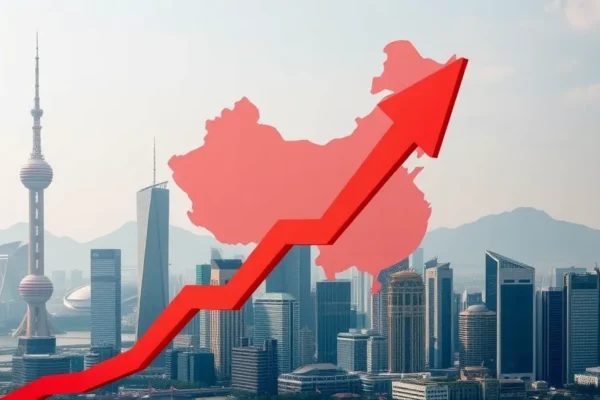
Let’s talk about something fundamental to understanding how countries and their economies perform: Gross Domestic Product, or GDP. Think of GDP as the total value of everything a country produces – all the goods made and services provided – within a specific period, usually three months or a year. It’s like taking a snapshot of the country’s economic ‘output’ or ‘activity’. When we talk about China economy and its GDP growth, we’re essentially looking at how much bigger that economic ‘pie’ got from one period to the next. This is crucial because a growing GDP often means more jobs, higher incomes, and a generally healthier economy. Understanding this helps us grasp the global financial landscape and how it might affect our own finances, even if we don’t live in China.
How China’s GDP Growth is Measured
Measuring GDP is a complex process involving tracking all sorts of economic activities. For China, like most countries, this involves looking at several key components:
- Consumption: This is money spent by individuals on goods and services like food, clothes, and entertainment. Imagine everyone in China buying more new phones and going out to restaurants more often – that boosts consumption.
- Investment: This includes spending by businesses on new factories, equipment, and housing. If companies are building new factories to produce more goods, that counts as investment.
- Government Spending: This is money spent by the government on things like infrastructure (roads, bridges) and public services. A government building a new high-speed railway system is a form of government spending that adds to GDP.
- Net Exports: This is the difference between what a country exports (sells to other countries) and what it imports (buys from other countries). If China sells more cars to the US than it buys electronics from Japan, net exports are positive and contribute to GDP.
The Q3 GDP figure represents the total value of these activities within the third quarter of a given year. When we see a report like China’s Q3 GDP growing by 4.5%, it means that, from April to June (Q2) to July to September (Q3), the combined value of goods and services produced in China increased by 4.5%. This is calculated by comparing the economic output of Q3 this year to Q3 of last year, or sometimes by comparing it to the previous quarter (Q2) and then annualizing the growth rate.
Why China’s Economic Growth Matters to You
The Chinese economy is the world’s second-biggest, so its performance has ripple effects across the globe. When China’s economy grows, several things can happen:
- Global Demand: China is a huge consumer of raw materials like oil, metals, and agricultural products. Strong Chinese economic growth often means higher demand for these goods, which can lead to higher prices globally. This might mean slightly higher costs for things you buy, depending on what those goods are made of.
- Manufacturing and Supply Chains: China is a major manufacturing hub. If its economy is growing, factories are likely producing more, which can lead to more affordable goods for consumers worldwide. However, disruptions in China’s growth can also affect supply chains, leading to shortages or delays.
- Investment Flows: Strong economic growth can attract foreign investment into China, and also influence global investment decisions. This can affect stock markets and the value of currencies, which indirectly impacts the returns on your investments.
- Jobs and Opportunities: For people working in industries that export to China or are part of global supply chains involving China, its economic health directly impacts job security and potential for growth.
In essence, understanding China’s GDP growth helps us understand global economic trends that can touch our lives through the prices we pay, the products available, and the stability of the global financial system.
Context of China’s GDP Growth Reports
China’s economic journey has been remarkable over the past few decades. It transformed from a largely agrarian society to a global manufacturing powerhouse. Its GDP growth rates were exceptionally high for many years, often in the double digits, as it rapidly industrialized and integrated into the global economy. This phase saw massive infrastructure development, urbanization, and a surge in exports.
However, in recent years, the Chinese economy has been transitioning. Growth rates have naturally moderated as the economy matures and faces new challenges, such as demographic shifts, environmental concerns, and a desire to move towards more sustainable and domestically driven growth. The target for full-year target growth is set by the Chinese government at the beginning of the year and serves as an important benchmark for its economic policy. For example, if the government sets a target of around 5% for the year, a Q3 GDP growth of 4.5% is a significant indicator of whether the economy is on track to meet that overall goal.
Recent reports, such as the Q3 GDP growth of 4.5% (as reported by official sources like China’s National Bureau of Statistics), are analyzed by analysts worldwide to gauge the health of the world’s second-biggest economy. This figure is compared against previous quarters, the same quarter in the previous year, and the government’s overall economic forecast to understand the current trajectory and the effectiveness of economic policies.
Practical Thinking About China’s Economic Performance
When you hear news about China’s GDP growth, it’s helpful to think about it in a few practical ways:
- Context is Key: A 4.5% growth rate might sound high or low depending on your expectations. For a mature economy, it could be strong. For an emerging economy in a rapid development phase, it might be seen as slower. For China, analysts often compare it to the government’s full-year target and previous years’ performance.
- Components Matter: Was the growth driven by strong consumer spending, or was it mostly due to government investment? The composition of GDP growth gives a clearer picture of the economy’s underlying health. For instance, growth driven by consumers is often seen as more sustainable than growth solely reliant on government stimulus.
- Global Impact Assessment: Consider how this growth affects the commodities you might use, the products you buy, and the global markets where you might invest. If China’s economy is humming, demand for global goods rises. If it’s slowing, that demand might decrease.
A common misconception is to view a single GDP number in isolation. However, it’s a dynamic figure influenced by many factors. Always look for trends, comparisons, and the breakdown of what’s driving the growth. For example, if reports indicate a slowdown in Chinese GDP growth, it’s worth watching how this might affect industries heavily reliant on Chinese manufacturing or demand.
Connecting China’s Economy to Broader Financial Concepts
Understanding China’s GDP growth is interconnected with several other important economic concepts:
- Inflation: Rapid economic growth can sometimes lead to inflation, which is a general increase in prices and a fall in the purchasing value of money. If demand outstrips supply due to strong GDP growth, prices may rise.
- Interest Rates: Central banks, like China’s People’s Bank of China, may adjust interest rates based on GDP growth figures and inflation. Higher growth might prompt rate hikes to cool down the economy, while slower growth might lead to rate cuts to stimulate it.
- Global Trade: As mentioned, China’s role as a major exporter and importer directly impacts global trade balances and the economies of its trading partners.
- Economic Cycles: GDP growth figures help economists identify where a country is in its economic cycle – whether it’s in an expansionary phase (growth), a peak, a contraction (recession), or a trough.
By understanding how GDP growth in a major economy like China fits into these broader themes, you can develop a more comprehensive view of global economic health and its potential impact on your financial life. Understanding economic growth in one of the world’s largest economies is a key piece of the global financial puzzle.
Frequently Asked Questions About China’s GDP Growth
What does China’s Q3 GDP growth of 4.5% mean for the full-year target?
A 4.5% Q3 GDP growth indicates that China is making progress towards its annual economic goals. Analysts will assess if this momentum is sufficient to meet the overall full-year target, which is typically set by the government as a key performance indicator for the economy.
How does China’s GDP growth affect the global economy?
As the world’s second-biggest economy, China’s GDP growth significantly influences global demand for commodities, manufacturing output, and international trade. Strong growth can boost global markets, while a slowdown can have a cooling effect worldwide.
Can individuals in other countries directly control China’s GDP growth?
No, individual consumers or investors in other countries cannot directly control China’s economic growth. However, their consumption patterns, investment decisions, and demand for Chinese goods and services indirectly influence China’s economy.
What are the risks associated with China’s economic growth?
Risks include potential overheating leading to inflation, reliance on debt-fueled investment, geopolitical tensions impacting trade, and structural challenges within the Chinese economy. A rapid slowdown could also create global economic instability.
How does China’s GDP growth influence inflation?
Strong GDP growth can lead to increased demand for goods and services. If supply cannot keep pace, this can result in higher prices, contributing to inflation within China and potentially impacting global commodity prices.
Where can I find reliable data and forecasts for China’s economy?
Reliable sources include China’s National Bureau of Statistics, the International Monetary Fund (IMF), the World Bank, and reputable financial news outlets that report on economic data and analyst opinions on economic forecast for China.
Disclaimer: This is educational content and not financial advice. Economic conditions and statistics are subject to change, and individual financial situations vary greatly. Always consult with a qualified financial professional for personalized advice regarding your financial decisions.