Examining Potential Tax Hikes on Brazil Airlines
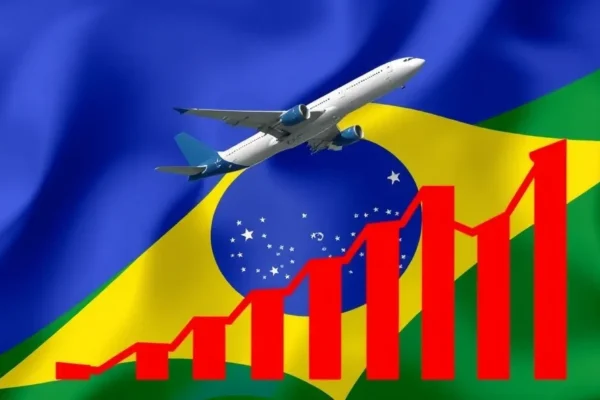
As Brazil approaches its next election cycle, discussions around potential tax policy shifts are intensifying. For investors tracking the Brazil economy and its key sectors, the aviation industry presents a critical area of focus. Specifically, proposed changes to taxation policy could significantly impact Brazil airlines, influencing their operational costs, profitability, and ultimately, the performance of airline stocks.
Navigating Market Volatility Amidst Fiscal Uncertainty
The prospect of tax increases often introduces market volatility. While no concrete legislative action has been taken, rhetoric surrounding fiscal adjustments and the need to bolster government revenue has been circulating in Brazilian political discourse. This pre-election period is characterized by heightened anticipation of policy announcements, making it crucial for investors to understand the potential ripple effects across various industries, including aviation.
The Brazilian government periodically reviews its fiscal policies to address budget deficits and fund public services. Recent economic indicators and the government’s stated fiscal objectives suggest a potential inclination towards raising revenue through various means, which could encompass indirect taxes affecting operational inputs for businesses.
Understanding the Financial Context for Brazil Airlines
Brazil’s major airlines, such as LATAM Airlines Group (LTMAY) and Gol Linhas Aéreas Inteligentes (GOL), operate within a competitive and often challenging environment. Factors such as fuel prices, currency fluctuations, and domestic demand significantly influence their financial health. According to the International Air Transport Association (IATA) recent reports on the Latin American aviation market, profit margins in the region have historically been tight, making airlines particularly sensitive to changes in costs.
For instance, a substantial portion of an airline’s operating expenses is tied to taxes and fees. Any increase in these levies would directly affect their cost structure. Historically, Brazil has seen periods of fiscal policy adjustments that have impacted the cost of doing business for its airlines. For example, prior to 2023, taxes on aviation fuel and airport services have been subject to review, demonstrating the sector’s sensitivity to fiscal regulation. The average net profit margin for airlines globally, as per IATA’s 2023 outlook, was projected to be around 2.7%, highlighting the razor-thin margins that could be further squeezed by rising costs.
Analysis: The Impact of Tax Rise on Airline Stocks and Operations
A potential tax rise on Brazil airlines could exert downward pressure on airline stocks. Increased operational costs, whether through direct taxes on jet fuel, aircraft maintenance, or passenger services, would likely lead to reduced airline profit margins. Companies may respond by passing these costs onto consumers through higher ticket prices, which could, in turn, dampen demand for air travel, especially if the Brazil economy is also experiencing slower growth.
Conversely, some airlines might absorb a portion of the increased costs to remain competitive, thereby impacting their profitability directly. Key metrics to watch would include earnings per share (EPS), operating cash flow, and debt-to-equity ratios. A significant increase in taxes could lead to a deterioration in these metrics. Market sentiment towards the sector could also shift, potentially leading to lower price-to-earnings (P/E) ratios as investors price in the higher cost environment and its effect on future earnings. The stock performance of companies like GOL and LTMAY, which are major players in the Brazilian market, would be a primary indicator of this sentiment.
Related Opportunities and Competitive Landscape
The impact of potential tax increases extends beyond just the airlines themselves. Companies that supply goods and services to the aviation industry, such as aircraft lessors and maintenance providers, might also see altered demand patterns. Furthermore, if domestic airlines face significantly higher operating costs, international carriers operating in Brazil might gain a relative competitive advantage, depending on how tax policies are structured.
The competitive landscape within Brazil is already robust. Any increase in the cost of operations for domestic carriers could further intensify price competition or lead to consolidation, depending on the financial resilience of each player. The election impact on broader economic policies, such as infrastructure spending or consumer disposable income, will also play a role in how airlines navigate any new fiscal regulations.
Future Outlook: What to Watch Next
Investors should closely monitor statements from Brazilian government officials regarding fiscal policy and any legislative proposals related to taxation. Upcoming earnings reports from major Brazilian airlines will provide crucial insights into their current financial health and their ability to absorb potential cost increases. The outcome of the election will also be a significant factor, as the new administration’s fiscal priorities will shape the future taxation policy.
The timeline for potential changes is uncertain and tied to the legislative process. However, the pre-election period often sees policy discussions gain momentum. Factors such as the overall health of the Brazil economy, global aviation trends, and specific airline strategies will determine the ultimate impact on airline profit margins and stock performance. Investors should also be aware of potential changes in passenger demand, which can be influenced by economic conditions and ticket pricing.
Risk Disclaimer: Past performance does not guarantee future results. Markets are volatile and subject to numerous unpredictable factors. Investors should conduct their own thorough research and consult with a qualified financial advisor before making any investment decisions.
Frequently Asked Questions for Investors
How might a potential tax rise affect Brazil airlines’ stock performance?
A potential tax rise could negatively impact Brazil airlines‘ airline stocks by increasing operational costs. This could lead to reduced airline profit margins, lower earnings, and potentially depress stock valuations as investors adjust their expectations for future profitability.
What are the primary risks of investing in Brazil airlines during election cycles?
The primary risks include increased market volatility due to uncertainty surrounding taxation policy and other economic regulations. Changes in government spending, consumer confidence influenced by the election impact, and shifts in the broader Brazil economy can all pose significant risks to airline operations and financial performance.
How does the aviation industry in Brazil compare to competitors in terms of taxation?
Taxation levels and structures vary significantly across countries. While specific comparisons require detailed analysis of current tax codes, any increase in taxation policy in Brazil would need to be evaluated against the prevailing tax burdens faced by airlines in other key markets to understand the competitive implications for Brazil airlines.
What impact could a tax hike have on airline profit margins?
A tax hike would directly increase the cost base for Brazil airlines. If these increased costs cannot be fully passed on to consumers through higher ticket prices without significantly impacting demand, it would lead to a compression of airline profit margins, affecting overall profitability.
Should investors anticipate higher ticket prices if taxes rise?
It is probable that airlines would attempt to pass on increased operational costs, including higher taxes, to consumers in the form of higher ticket prices. However, the extent to which this is feasible depends on the elasticity of demand for air travel within the Brazil economy and the competitive intensity among airlines.
What key metrics should investors monitor for Brazil airlines?
Investors should monitor key financial metrics such as revenue growth, operating income, net profit, earnings per share (EPS), debt levels, and cash flow. Additionally, tracking load factors, average fares, and fuel cost per passenger can provide insights into operational efficiency and the impact of external factors like taxation policy.