

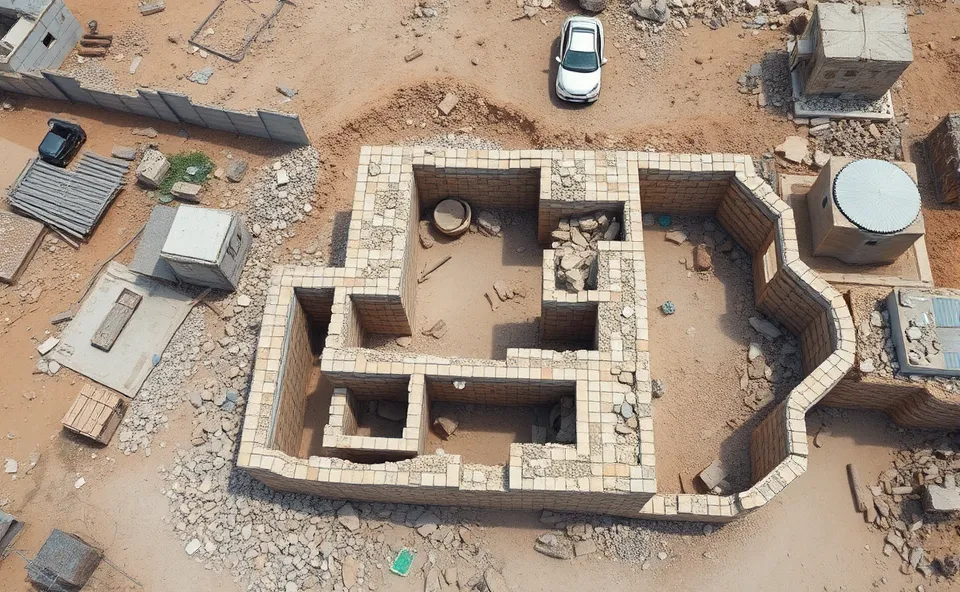
Hope Rises from the Rubble in Gaza
Imagine a place where buildings have crumbled, leaving behind heaps of debris. Now, picture people taking that broken stuff and turning it into something useful to build new homes. That’s exactly what’s happening in Gaza. Palestinians are getting incredibly creative, using the very destruction around them to rebuild their shelters. They’re transforming rubble into a new kind of building material that snaps together, much like Lego bricks.
Why This Story Is Capturing Attention Now
The world’s focus often shifts, but the dire situation and the remarkable resilience of people facing immense challenges always find a way to break through. This particular story is gaining traction because it highlights incredible human innovation born out of necessity. When essential reconstruction materials are difficult or impossible to obtain, people don’t just give up. They find a way. The image of using broken concrete and other debris to construct interlocking blocks is a powerful testament to human ingenuity and the deep-seated desire to create a safe place to call home. It’s a story that resonates because it speaks to universal needs and the power of community to overcome obstacles.
A History of Resilience in the Face of Scarcity
To truly understand this current innovation, we need to look back a bit. Gaza has faced significant challenges for a long time, with access to many resources, including building supplies, often restricted. This isn’t the first time Palestinians have had to innovate due to blockades and conflict. Years of conflict have led to widespread destruction, leaving behind mountains of debris. Historically, when faced with shortages, communities have had to find alternative solutions. This latest development in Gaza rebuilding using rubble bricks is a continuation of a long-standing pattern of resourcefulness and adaptation. People have learned to make do with what’s available, transforming what seems like an insurmountable problem into a source of potential solutions. The constant cycle of destruction and the need for rebuilding has unfortunately made such innovative approaches a necessity rather than a choice.
The Ripple Effect of This Groundbreaking Idea
This isn’t just about building shelters; it’s a broader story about sustainable building and the potential of repurposed materials. For the people in Gaza, the immediate impact is profound. It offers a tangible way to create safe, sturdy shelters when conventional methods are blocked. These Lego-like bricks mean that families can begin to rebuild their lives, providing a sense of security and normalcy in a very unstable environment. Beyond the immediate humanitarian aspect, this innovation has wider implications. It showcases a powerful example of the circular economy in action – turning waste into valuable resources. This could inspire similar approaches in other disaster-stricken areas or places facing material shortages. It demonstrates that even from the most challenging circumstances, groundbreaking technological and architectural solutions can emerge.
Think about the implications for the construction industry globally. The traditional methods of building often rely on new materials, which can be resource intensive and contribute to environmental challenges. The Gaza rebuilding effort using rubble bricks offers a compelling case study for:
- Waste Reduction: Turning massive amounts of debris into usable building blocks significantly reduces landfill waste.
- Cost-Effectiveness: Repurposing existing materials is inherently cheaper than sourcing and transporting new ones, especially crucial in areas with limited budgets.
- Local Empowerment: The process can be localized, creating jobs and empowering communities to take ownership of their reconstruction efforts.
- Environmental Friendliness: Reducing the demand for virgin materials lessens the environmental footprint of construction.
The development of these interlocking blocks is a clever solution to a complex problem. The interlocking nature means they can be assembled without much specialized skill or additional binding agents, making the process faster and more accessible. This is crucial for rapid shelter construction after destruction.
Looking Ahead: What’s Next for Rubble Bricks?
The future of this innovation in Gaza rebuilding looks promising, though it’s tied to the broader context of the region. If the process can be scaled up and refined, it could become a standard building practice for emergency and long-term housing. We might see further research into improving the durability and insulation properties of these rubble bricks. The potential for this sustainable building approach to spread to other regions facing similar challenges is also significant. It could pave the way for more resilient and self-sufficient communities worldwide. The focus will likely be on making the production process even more efficient and ensuring the quality and safety of the structures built with these Lego-like bricks. It’s a journey from necessity to a potentially revolutionary building method.
Frequently Asked Questions About Gaza Rebuilding and Rubble Bricks
What exactly are the rubble bricks being used for Gaza rebuilding?
These are specially created blocks made from processed debris and rubble. They are designed with interlocking features, similar to Lego bricks, allowing for quicker and easier assembly of shelters and other structures.
Why are Palestinians in Gaza turning to rubble bricks instead of standard reconstruction materials?
Access to conventional reconstruction materials is severely limited in Gaza. This innovation allows Palestinians to utilize the abundant debris from destruction as a readily available and cost-effective alternative for rebuilding their homes and shelters.
How do these Lego-like bricks help in rebuilding efforts?
The interlocking design makes construction simpler and faster, requiring less specialized labor and fewer additional materials like cement. This is crucial for rapidly providing shelter for displaced families and restoring communities after widespread destruction.
What is the background behind the innovation of using debris for building in Gaza?
For years, Gaza has faced blockades that restrict the import of essential goods, including building supplies. This scarcity has forced residents to continuously find innovative ways to rebuild, leading to a history of resourcefulness. The current use of rubble bricks is a sophisticated evolution of these ongoing efforts in Gaza rebuilding.
What is the future outlook for sustainable building practices like using rubble bricks?
The success of these rubble bricks in Gaza could lead to wider adoption of similar sustainable building techniques globally, especially in areas affected by conflict or natural disasters. It highlights the potential of repurposing waste materials and empowering local communities through innovative construction methods.











