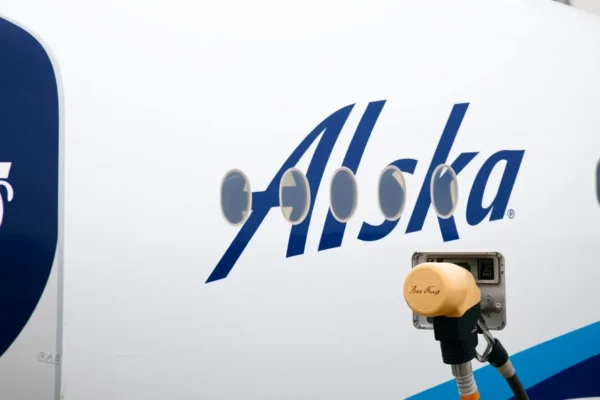
Alaska Air Job Cuts Reflect Fuel Cost Pressures
Alaska Airlines recently announced significant job reductions, impacting approximately 200 employees. This move, affecting various roles within the company, comes at a time when the entire airline industry is grappling with sustained increases in fuel costs. The decision underscores a critical challenge facing carriers globally: how to maintain profitability when a major operating expense, jet fuel, becomes increasingly volatile and expensive. This strategic adjustment by Alaska Airlines highlights the delicate balancing act airlines must perform to navigate economic headwinds and ensure their long-term financial health.
The primary drivers behind these Alaska Air job cuts are directly linked to the escalating price of jet fuel. Fuel represents one of the largest variable costs for any airline, and its price fluctuations can dramatically impact earnings. In recent quarters, consistent increases in fuel prices have squeezed profit margins across the airline sector. While the exact trigger for this specific round of job reductions at Alaska Airlines is tied to internal financial assessments, it aligns with a broader industry trend of cost-containment measures in response to this persistent economic pressure. Official announcements from Alaska Airlines detailed the workforce adjustments as part of ongoing efforts to optimize operational efficiency and adapt to market conditions.
The Strategic Logic Behind Workforce Adjustments
Alaska Airlines’ decision to reduce its workforce of 200 employees is rooted in a strategic imperative to manage costs and preserve profitability in the face of significant operational challenges. When fuel costs rise substantially, airlines face a direct hit to their bottom line. Fuel is a variable expense, meaning it changes with the amount of flying the airline does. If the price of fuel goes up, the cost of operating each flight increases, directly impacting the airline’s profit margin on that flight. To counteract this, airlines typically explore several strategies, including raising ticket prices, reducing capacity (flying fewer flights or using smaller planes), or cutting costs elsewhere. In this instance, Alaska Air has opted for a combination of cost management that includes personnel reductions as part of a broader strategy to improve its financial performance.
This move is not merely a reactive measure but a proactive step to streamline operations. By reducing headcount, Alaska Airlines aims to lower its fixed labor costs, which, when combined with volatile fuel expenses, create a double burden. The company’s stated rationale often points to the need for greater efficiency and a more agile operational structure. In the competitive airline industry, where margins are often thin, any increase in a major cost category like fuel necessitates a swift response to avoid significant financial losses. The job reductions are therefore a strategic lever to help insulate the company’s corporate earnings from the severe impact of high fuel prices.
Competitive Landscape and Market Position
The airline industry is intensely competitive, with carriers constantly vying for market share and passenger loyalty. Alaska Airlines operates in a dynamic environment, facing competition from major national carriers as well as regional airlines. The current environment, marked by rising fuel costs and economic uncertainty, intensifies this competition. Other airlines are also undertaking similar cost-saving measures. For instance, many carriers have hedged fuel prices to lock in lower rates, while others have focused on optimizing their fleet to use more fuel-efficient aircraft or adjusting their route networks to focus on more profitable segments. Alaska Airlines’ decision to cut jobs places it in a position of attempting to maintain its competitive edge by managing its cost structure more effectively. This can allow it to potentially offer more competitive fares or reinvest in customer experience initiatives that differentiate it from rivals.
The impact of these job reductions extends to its competitive positioning. By reducing operational costs, Alaska Airlines may be better equipped to absorb further fuel price shocks or to respond aggressively to fare wars initiated by competitors. Conversely, if these cuts lead to a noticeable decline in service quality or operational reliability, it could provide an opening for rivals to gain market share. The company’s ability to execute these changes without alienating its customer base or workforce will be critical. Other airlines will be watching Alaska’s moves closely, potentially adapting their own strategies based on the outcomes observed. This is a standard dynamic in the airline industry, where competitive pressures often lead to a ripple effect of strategic decisions.
Broader Industry Trends and Signals
The job cuts at Alaska Airlines are not an isolated incident but rather a symptom of wider pressures within the global airline industry. High fuel prices have been a persistent challenge, affecting airline earnings across the board. This trend forces airlines to continually reassess their operational models and cost structures. We are seeing a sector-wide push towards greater efficiency, which can manifest in various ways: investments in new, fuel-efficient aircraft, optimization of flight paths, more aggressive fuel hedging strategies, and, unfortunately, workforce adjustments. The economic impact of these rising costs is significant, leading to a more challenging environment for profitability, especially for airlines with less efficient fleets or those operating on thinner margins.
This development signals that the era of easy growth and significant profit expansion may be temporarily on hold for many airlines. Instead, the focus is shifting towards resilience and cost discipline. Industry peers are likely to follow suit with their own cost-containment initiatives, though the specific nature of these will vary based on their individual financial health, fleet composition, and geographic markets. Aviation news reports frequently highlight these financial strains, with analysts forecasting continued pressure on airline earnings until fuel prices stabilize or airlines can fully pass on increased costs to consumers without significantly impacting demand. This situation also puts pressure on airlines to innovate in other areas, such as ancillary revenue generation and loyalty programs, to offset core operational cost challenges.
Financial and Operational Impact
The most immediate financial implication of the Alaska Air job cuts is the reduction in operating expenses, specifically labor costs. By reducing its workforce, Alaska Airlines is aiming to directly decrease its payroll expenses. This can have a positive short-term impact on its profit margins, particularly if the savings from the job reductions are significant enough to offset the increased fuel expenditure. For example, if the 200 employees represented a specific percentage of the airline’s overall labor cost, the savings could be substantial. This contributes directly to improved corporate earnings by lowering the cost of doing business. On the operational side, the airline will need to reallocate responsibilities and potentially adjust schedules to accommodate the reduced staff, which can lead to short-term inefficiencies as teams adapt.
In the long term, the success of these measures will depend on whether the cost savings achieved through job reductions outweigh any potential negative impacts on service quality or employee morale. If the cuts are strategically managed, they can help Alaska Airlines maintain a healthier financial outlook, enabling it to weather the storm of high fuel prices. However, if the airline cuts too deeply or makes inefficient adjustments, it could lead to operational disruptions, negatively impacting customer satisfaction and potentially leading to future revenue losses. The financial goal is to achieve a sustainable cost structure that supports profitability even in a challenging economic climate. According to various financial reports and industry data, a sustained increase in fuel prices of even a few cents per gallon can translate into millions of dollars in additional annual costs for a large airline. Therefore, aggressive cost management, including workforce optimization, becomes a critical tool for profitability.
Execution Risks and Potential Challenges
While the strategic rationale for workforce reduction is clear, the execution of such a plan carries inherent risks. A primary concern is the impact on employee morale among the remaining staff. Reductions can lead to increased workloads, anxiety about job security, and a potential decline in company culture, which can indirectly affect customer service. Historically, Alaska Airlines, like many carriers, has faced challenges in managing workforce changes. The airline must ensure that the remaining employees are adequately trained and supported to absorb the duties of those who have departed. Operational challenges could include potential disruptions to flight schedules, maintenance operations, or customer support, especially if the cuts are not carefully managed to avoid critical skill gaps.
Another significant risk is the potential for negative customer perception. If customers associate the job cuts with a decline in service quality, it could lead to a loss of business and a damaged brand reputation. The company’s ability to communicate the necessity of these changes and to demonstrate a continued commitment to customer satisfaction will be crucial. Market risks also play a role; if fuel prices were to unexpectedly drop significantly, the cost savings from these job cuts might be less impactful, and the airline could be perceived as having overreacted or made unnecessary cuts. Furthermore, regulatory scrutiny on labor practices and service standards could also pose challenges.
Impact on Stakeholders
The decision to cut 200 Alaska Air jobs has multifaceted implications for various stakeholders. For the employees who are leaving, it means a loss of employment and the need to seek new opportunities. For the remaining employees, it can lead to increased workloads, potential stress, and a need to adapt to new team structures and responsibilities. This can have a cultural impact, shifting the internal dynamics of the company. For customers, the hope is that service levels will be maintained, but there is always a risk of reduced availability or a dip in the quality of service if operational capacity is strained.
Investors and the market will be watching closely to see if these job reductions translate into improved financial performance, specifically in terms of corporate earnings and profitability. Positive financial outcomes could boost investor confidence and stock performance. Conversely, any perceived negative impacts on operations or customer satisfaction could lead to a downturn in market sentiment. Alaska Airlines’ partners, such as suppliers and corporate travel clients, will also be observing the airline’s stability and reliability in the wake of these changes.
Outlook and Next Steps
If Alaska Airlines successfully navigates the challenges associated with these job cuts, the outlook is for a more resilient and financially stable company. The key performance indicators to watch will include operating cost per available seat mile (CASM), a common metric in the airline industry that measures efficiency, and overall profitability margins. Analysts will be looking for evidence that the cost savings achieved from the workforce reduction are being realized and are effectively counteracting the impact of high fuel prices. We should expect to see Alaska Airlines continue to monitor fuel markets closely and potentially engage in further strategic adjustments if the economic climate shifts.
Key milestones to monitor will include the airline’s quarterly earnings reports, which will provide insight into its financial performance following the job cuts. Investors and industry observers will also be looking for any public statements from Alaska Airlines management regarding operational stability and customer satisfaction metrics. The timeline for measurable outcomes could range from the next two to four quarters, as the full impact of the cost savings and any operational adjustments become apparent in the company’s financial statements. The ultimate success will be judged by Alaska Airlines’ ability to maintain its competitive position and deliver consistent financial returns despite ongoing industry pressures.
Key Questions and Answers
Why is Alaska Air cutting 200 jobs?
Alaska Air jobs are being reduced primarily due to the sustained impact of rising fuel costs on airline earnings. This workforce adjustment is part of a strategy to control operational expenses and improve the company’s financial performance amidst volatile market conditions.
Will these job reductions significantly improve Alaska Airlines’ financial outlook?
These job reductions are intended to improve Alaska Airlines’ financial outlook by lowering labor costs, a significant expense. However, the overall financial impact will depend on whether these savings effectively offset increasing fuel costs and other operational factors.
How do high fuel prices impact airline earnings in general?
High fuel prices directly increase operating costs for airlines, as jet fuel is a major expense. This reduces profit margins on flights and can lead to financial losses if not managed through price increases, capacity reductions, or cost-saving measures like job reductions.
What are the risks associated with Alaska Air’s job cuts?
Key risks include potential negative impacts on employee morale, operational disruptions, and a decline in customer service quality, which could damage the airline’s reputation and lead to further business challenges.
How does this compare to what other airlines are doing in response to fuel costs?
Many airlines in the industry are facing similar pressures from high fuel prices. Competitors are also implementing cost-saving measures, which can include fleet modernization, route optimization, and, in some cases, workforce reductions, making these Alaska Air job cuts part of a broader industry trend.
When can we expect to see the full financial impact of these job reductions?
The full impact of the Alaska Air jobs cuts on the company’s financial performance is likely to become clearer over the next two to four quarters, as reflected in subsequent earnings reports and operational data.
Business outcomes are subject to execution risk and unforeseen market developments.