Understanding the Endgame of a US Presidency
When we talk about the “endgame” of a US Presidency, especially in the context of Donald Trump’s time in the White House, we’re essentially discussing the final period of a president’s term. This isn’t just about packing boxes; it’s a critical phase where policy decisions, political strategies, and economic actions can have lasting effects. Think of it like the final two minutes of a close basketball game. The score might be tight, and every play, every decision, becomes magnified because it can determine the outcome not just for the game, but for the team’s season. Understanding this endgame is crucial for anyone trying to grasp the future of US politics and its global economic impact. It helps us understand the motivations behind actions taken in Washington and anticipate potential shifts in the economic landscape.
How Presidential Endgames Unfold
A presidential endgame often involves a president consolidating their achievements, pushing through final legislative priorities, or setting a clear path for their legacy. This can involve a variety of political strategies. For example, a president might try to sign major legislation they’ve championed, issue executive orders to enact policy changes without Congress, or focus on foreign policy initiatives.
Imagine a chef preparing a grand banquet. The endgame isn’t just about serving the last dish; it’s about ensuring all the main courses are perfectly timed, the desserts are beautifully presented, and the overall dining experience leaves a lasting, positive impression on the guests. Similarly, a president’s final two years might see them focusing on key legislative battles, using the power of their office to influence public opinion, or preparing their party for future elections.
One real-world example of this could be the push for significant tax reform or deregulation, which a president might see as a cornerstone of their economic policy. Another might be appointing judges to federal courts, which can shape legal interpretations for decades. These actions are deliberate and aimed at leaving a tangible mark.
Why the Presidential Endgame Matters to You
The decisions made during a president’s final term have a direct impact on your financial life. This is because presidents influence economic policies that affect everything from your job security to the cost of goods and services you buy every day. When we talk about economic impact, we’re referring to how government actions influence the overall health of the economy – things like employment rates, inflation (the general increase in prices and decrease in the purchasing value of money), and economic growth.
For instance, if a president’s endgame strategy involves increasing government spending, this could potentially boost economic activity in the short term, leading to more jobs. However, it could also lead to higher national debt and potentially inflation if the economy is already running at full capacity. Conversely, a strategy focused on cutting taxes might leave more money in people’s pockets, potentially stimulating consumer spending. But it could also lead to a larger budget deficit.
Think about it like managing your household budget. If the head of the household decides to make significant investments or cut major expenses in the final year before a big financial goal, those decisions will impact the family’s financial well-being for years to come. Similarly, presidential endgame strategies shape the economic environment in which individuals and businesses operate. Those who benefit might be specific industries or groups favored by the policies, while others might face higher costs or reduced opportunities.
Historical Context of Presidential Endgames
Throughout US history, presidents have approached their final terms with varying strategies. Some have focused on solidifying their existing policies, while others have used the time to pursue ambitious new agendas. For example, President Lyndon B. Johnson’s “Great Society” initiatives, which aimed to combat poverty and racial injustice, saw significant legislative pushes during his second term, despite facing immense challenges like the Vietnam War.
More recently, presidents have often been focused on their legacy. The final two years of a presidential term are often characterized by intense political maneuvering as a president seeks to cement their place in history. This period can also be influenced by election cycles, with presidents looking to set up their party for future success. Current affairs often highlight this as presidents and their administrations engage in public appeals and policy debates to shape public perception of their time in office.
Navigating the Practical Implications of a Presidential Endgame
When thinking about Donald Trump’s final two years as US President, understanding his political strategy and potential economic impact is key. His approach has often been characterized by a focus on deregulation, trade renegotiations, and tax cuts. An endgame strategy might involve doubling down on these policies, attempting to implement further changes through executive action if legislative avenues are blocked, or engaging in public appeals to rally support for his agenda and his party.
For individuals, this means watching how proposed policies could affect their personal finances. For example, changes in trade policy can impact the cost of imported goods, potentially affecting your budget. Shifts in economic regulation can influence industries you work in or invest in.
A common misconception is that presidential actions have an immediate, dramatic effect on everyone’s finances. While some policies can have quick impacts, many economic shifts are gradual. It’s also important to differentiate between the president’s stated goals and the actual outcomes, which can be influenced by Congress, global events, and market reactions. When you see news about White House initiatives or legislative proposals, consider how they align with broader economic trends and what the potential ripple effects might be.
Related Concepts to Understanding Presidential Impact
Understanding the presidential endgame connects to several other crucial financial and economic concepts. For instance, fiscal policy (the government’s use of spending and taxation to influence the economy) and monetary policy (actions taken by a central bank, like the Federal Reserve, to manage the money supply and credit conditions) are both heavily influenced by the White House and Congress. A president’s actions can shape the environment in which the Federal Reserve operates, and vice versa.
Additionally, understanding international trade agreements and geopolitics is vital, as these play a significant role in the global economic impact of any US Presidency. The economic well-being of nations is interconnected, and decisions made in Washington can have far-reaching consequences.
Common Questions About Donald Trump’s Presidential Endgame
How might Donald Trump’s endgame strategy affect inflation?
A presidential endgame can influence inflation through various policies. For example, increased government spending might put upward pressure on prices if the economy is already strong, while trade policies could affect the cost of imported goods. The specific impact depends on the nature of the policies enacted.
Can individuals directly influence Donald Trump’s endgame political strategy?
Individuals can influence political strategy through actions like voting, contacting elected officials, participating in public discourse, and supporting political organizations. However, direct control over the president’s strategic decisions is limited.
What are the potential economic risks associated with a Trump presidency’s final term?
Potential risks can include increased trade tensions, greater national debt due to fiscal policies, and uncertainty in economic markets stemming from policy shifts. These risks can affect investment decisions and consumer confidence.
How does the White House’s economic impact extend beyond the US borders?
The US economy is a major global player. Its policies on trade, currency, and international finance can affect economies worldwide, influencing global supply chains, investment flows, and the economic stability of other nations.
What is Trump’s legacy focus as part of his endgame?
A president’s legacy focus often involves highlighting signature achievements like tax cuts, deregulation, judicial appointments, or specific foreign policy outcomes that they wish to be remembered for. This can shape their final policy pushes.
How can understanding Donald Trump’s endgame help in making financial decisions?
By understanding the potential economic impacts of the White House’s actions and political strategies, individuals can better prepare for shifts in the economy that might affect their investments, career choices, and personal budgets.
Important Considerations and Disclaimer
This educational content provides a general overview of how presidential endgames can unfold and their potential economic and political implications. It is not intended as personal financial advice. Financial situations are unique, and decisions should always be made after consulting with a qualified financial advisor who can assess your individual circumstances. Past performance is not indicative of future results, and economic and political landscapes are constantly evolving, carrying inherent risks.
Understanding the Political and Economic Landscape of Donald Trump’s Final Two Years
The final two years of any US presidency are a period of intense focus on policy, legacy, and political positioning. For Donald Trump’s presidency, understanding this endgame involves looking at his established political strategy and how it might shape his actions in Washington during this critical phase. This period is often marked by a president seeking to cement their achievements, push through remaining legislative priorities, and prepare their party for future electoral battles. The economic impact of these actions can be significant, influencing everything from job markets to inflation, and therefore affects the financial decisions of individuals globally.
How a Presidential Endgame Strategy Plays Out
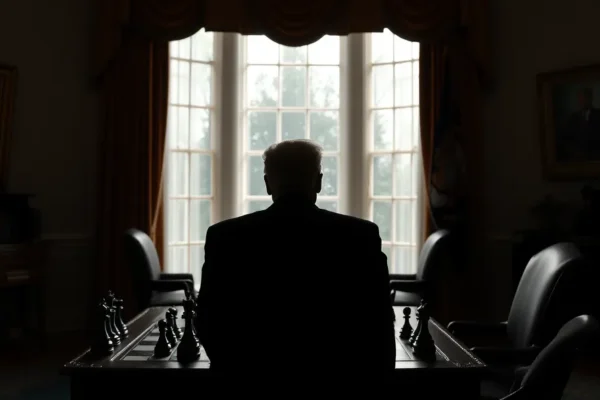
When we discuss a president’s “endgame strategy,” we’re talking about the overarching plan and specific actions a president intends to take in the latter part of their term. This isn’t just about what happens in the Oval Office; it’s about how the entire administration mobilizes to achieve specific goals before the term concludes. Think of a chess grandmaster in the final moves of a complex game. Every piece is strategically placed, aiming for a decisive checkmate.
In the context of Donald Trump’s presidency, this endgame might involve a continued emphasis on deregulation, renegotiating trade deals, and further tax adjustments. Presidents often use executive orders to enact policy changes if legislative paths are blocked. They might also focus on high-profile foreign policy initiatives or judicial appointments, which can have long-lasting impacts. For example, a president might prioritize appointing conservative judges to federal courts, a move that shapes legal interpretations for decades to come. The actions taken in Washington during this time are often deliberate, designed to leave a clear and lasting imprint on the nation’s direction.
Why Understanding the Endgame Matters for Your Finances
The actions taken during a president’s final term have a profound effect on the economic landscape, which directly influences everyday financial decisions for individuals and businesses worldwide. When we talk about “economic impact,” we’re referring to how government policies affect the overall health of an economy – including job creation, inflation (the general rise in prices and fall in the purchasing value of money), and economic growth.
For instance, a presidential strategy focused on stimulating the economy through increased government spending could lead to more jobs in the short term. However, if the economy is already operating at its capacity, this could also lead to higher inflation, meaning your money buys less. Conversely, a focus on tax cuts might leave individuals with more disposable income, potentially boosting consumer spending and business investment. But it could also contribute to a larger national debt.
Consider how a household might approach its finances in the final year before a major goal, like paying off a mortgage. They might make aggressive savings efforts or large one-time payments. Similarly, a president’s final two years can involve significant policy shifts that have lasting financial consequences. The beneficiaries of these policies might be specific industries or demographics, while others might face increased costs or reduced opportunities.
Historical and Current Context of Presidential Endgames
Historically, presidents have approached their final terms with a variety of objectives. Some have focused on consolidating their existing policy achievements, while others have sought to enact ambitious new agendas. For example, President George W. Bush’s second term saw significant focus on the “war on terror” and subsequent foreign policy decisions. President Barack Obama’s second term included efforts to solidify the Affordable Care Act and address climate change.
The current interest in understanding Donald Trump’s endgame strategy is driven by his unique political approach and the significant policy shifts that occurred during his term. His focus on “America First” policies, trade disputes, and deregulation created a distinct economic environment. The final two years of his presidency were a period where these policies were either reinforced, challenged, or set the stage for future political debates. Statistics from government agencies like the Bureau of Labor Statistics (BLS) or reports from the Congressional Budget Office (CBO) can offer insights into economic trends during specific periods of his presidency.
Practical Implications for Your Financial Outlook
When thinking about Donald Trump’s final two years as US President, understanding his political strategy and potential economic impact is essential for anticipating financial shifts. His approach often involved challenging established trade norms, reducing regulatory burdens on businesses, and enacting significant tax cuts. An endgame strategy would likely aim to solidify these policies, potentially through further executive actions if legislative avenues were constrained, or by using public platforms to rally support.
For individuals, this means paying attention to how proposed or enacted policies could affect personal finances. For example, changes in trade tariffs can influence the cost of imported goods, impacting household budgets. Shifts in economic regulations can affect industries where people work or invest.
A common misconception is that presidential actions have an immediate and uniform effect on everyone’s financial situation. While some policy changes can lead to rapid adjustments, many economic impacts unfold gradually over time. It’s also important to distinguish between the president’s stated intentions and the actual outcomes, which are often shaped by Congress, global events, and market forces. When reviewing news about White House initiatives, consider how these align with broader economic trends and their potential ripple effects.
Connecting Presidential Endgames to Broader Financial Concepts
The concept of a presidential endgame strategy connects to several fundamental financial and economic ideas. Fiscal policy, which is how the government uses spending and taxation to influence the economy, is heavily shaped by the president and Congress. A president’s endgame can involve significant fiscal decisions. Furthermore, monetary policy, managed by the Federal Reserve, operates within the broader economic environment created by fiscal policy and presidential actions, influencing interest rates and credit availability.
Understanding international trade agreements and global economic dynamics is also critical. Decisions made in the White House can have significant ripple effects across international markets, impacting supply chains, currency valuations, and investment flows. Therefore, understanding the US presidency’s economic impact extends far beyond domestic borders.
Common Questions About Donald Trump’s Presidential Endgame
- How did Donald Trump’s endgame strategy potentially influence inflation?
During his presidency, policies like tax cuts and deregulation were implemented, alongside trade tariffs. The combined effect on inflation is complex, with some analyses suggesting certain tariffs could increase costs for consumers, while broader economic growth might have different inflationary pressures.
- Can individuals directly influence Donald Trump’s endgame political strategy?
While individual citizens cannot directly dictate presidential strategy, they can influence it through voting, engaging with elected officials, participating in public discourse, and supporting political advocacy groups.
- What were the economic risks associated with Donald Trump’s presidency?
Potential economic risks often cited include increased trade protectionism leading to trade disputes, a rising national debt due to tax cuts and increased spending, and market volatility stemming from policy uncertainty.
- How does the economic impact of a US presidency extend globally?
The US economy is a dominant force in global markets. Its policies on trade, currency, and international finance can significantly influence other economies by affecting global supply chains, investment flows, and the stability of international financial systems.
- What were the key elements of Donald Trump’s legacy focus during his endgame?
Key elements typically highlighted for his legacy focus include tax reform, deregulation, appointment of conservative judges, and renegotiation of trade agreements, often summarized under his “America First” platform.
- How can understanding Donald Trump’s endgame assist in financial planning?
By understanding the potential economic consequences of his administration’s policies and strategies, individuals can better anticipate market shifts, economic trends, and regulatory changes that might impact their investments, employment, or overall financial well-being.
Disclaimer and Final Thoughts
This article is designed for educational purposes only and does not constitute financial advice. Financial situations are highly personal and depend on numerous factors. For specific financial guidance tailored to your circumstances, it is always recommended to consult with a qualified financial professional. The economic and political landscape is dynamic, and outcomes can vary significantly.