Hello, World? Meet Your New Pocket Translator
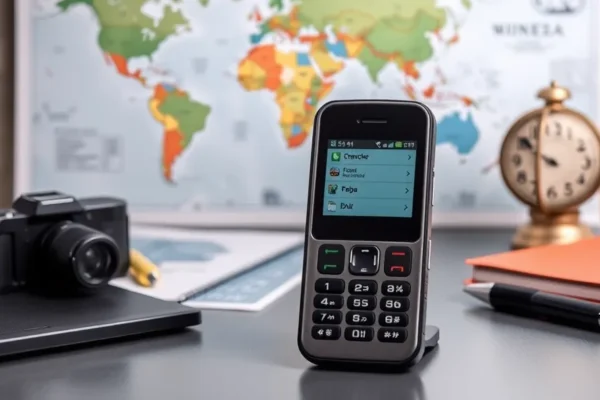
Ever been in a foreign country, desperately trying to order a coffee or ask for directions, and felt like you were speaking a different language (because you were)? If you’ve ever felt that communication wall, you’re not alone. This is where a dedicated handheld translator comes in. Think of it as your personal, pocket-sized interpreter, ready to bridge language gaps instantly. While smartphone apps can be handy, these specialized devices often offer a smoother, more immersive experience, especially when you’re on the go for work or exploring new places. They’re designed specifically to make talking to people in different languages feel less like a chore and more like a natural conversation. We’re looking at the best handheld translators that can make your international travel or business trips so much easier in 2026.
From Tourist Traps to Boardrooms: How These Gadgets Actually Work
So, what does a handheld translator do in the real world? It’s pretty straightforward. You speak into the device, select the languages, and it speaks your words back in the chosen language. The person you’re talking to responds, and the device translates their speech back to you. It’s like having a real-time, two-way translator in your hand.
Let’s paint a picture:
- Scenario 1: Lost in Translation at the Market. You’re exploring a bustling market in Marrakesh, wanting to buy a beautiful rug. You can’t speak Arabic, and the vendor doesn’t speak much English. With your handheld translator, you can say, “How much does this rug cost?” and the device will speak it in Arabic. The vendor replies, and your translator instantly shows or speaks the price in English. This immediate back-and-forth makes haggling (or just understanding the price!) a breeze. 🤝
- Scenario 2: Business Dealings Abroad. You’re attending an international conference in Tokyo, and you need to discuss project details with a potential partner who primarily speaks Japanese. While you might have prepared some basic phrases, a handheld translator allows for nuanced discussions. You can ask detailed questions about timelines, budgets, or technical specifications, and get clear, translated answers. This is crucial for avoiding misunderstandings that can be costly in business. 💼
- Scenario 3: Navigating Local Transport. You’ve just landed in Rome and need to take a taxi to your hotel. You don’t know the Italian name for your street. You can show your hotel’s address to the taxi driver on your translator, or even have the device speak it. This eliminates the stress of trying to mime or guess your destination. 🚕
These devices are incredibly practical for anyone who frequently interacts with people speaking different languages. They go beyond just words; they facilitate connection.
Who Needs a Little Help Understanding?
This kind of portable translator is a game-changer for several groups:
- Best For: Frequent International Travelers. If you’re someone who hops on planes for vacations or adventures several times a year, a dedicated handheld translator is a must-have. It removes a major barrier to truly experiencing a new culture and interacting with locals.
- Good For: Business Professionals on Global Assignments. For those who attend international meetings, conferences, or manage global teams, having reliable real-time translation is essential for effective communication and building strong relationships. This is a serious business travel essential.
- Good For: Students Studying Abroad or Language Learners. While not a replacement for learning a language, these devices can be invaluable for daily life while abroad, helping students navigate unfamiliar situations and build confidence.
- Good For: Anyone Navigating Diverse Communities. Even if you’re not traveling internationally, if you live in a diverse area and interact with people who speak different languages, a handheld translator can be a thoughtful and practical tool.
Skip if: You only travel once every few years to a country where English is widely spoken, or if you’re perfectly comfortable relying solely on your smartphone and its translation apps. If your needs are very basic (e.g., just ordering food once a week), a phone app might suffice.
Handheld Translators vs. Your Phone: The Showdown
The biggest alternative to a dedicated handheld translator is, of course, your smartphone. Apps like Google Translate and DeepL are powerful and convenient, especially since you already carry your phone.
Smartphone Apps:
- Pros: Free (mostly), always with you, versatile (does more than just translate).
- Cons: Can drain your phone battery quickly, requires internet connection for best results (though offline modes exist), can feel clunky during a conversation (fumbling with your phone), less intuitive for quick, back-and-forth dialogue.
- Real-world difference: Imagine trying to have a fast-paced discussion with someone. Pulling out your phone, opening an app, selecting languages, typing or speaking, and then waiting for the translation can interrupt the flow of conversation.
Dedicated Handheld Translators:
- Pros: Designed specifically for translation, often faster and more accurate for spoken language, built for one purpose so they’re usually simpler to use, better battery life dedicated to translation, some offer offline translation that works reliably without data.
- Cons: An extra device to carry and charge, can be an added expense, less versatile than a smartphone.
- Real-world difference: These devices feel more like a natural extension of a conversation. They often have dedicated buttons for speaking and listening, making the process feel more seamless. Think of it like using a dedicated camera versus your phone’s camera – the dedicated device often excels in its primary function.
Price Comparison: While top-tier smartphone translation apps are free, the convenience and advanced features of dedicated handheld translators often come with a price tag. However, for frequent travelers or business users, the investment can quickly pay for itself in reduced stress and improved communication, making the premium often worth it for the superior, immersive experience.
Getting Started: Easier Than You Think
One of the best things about modern handheld translators is how user-friendly they are. Most are designed to be intuitive, even for those who aren’t tech-savvy.
- Setup Time: Out of the box, you’ll likely need to connect to Wi-Fi for initial updates and to download offline language packs if available. This usually takes just a few minutes. Then, you’re pretty much ready to go.
- Learning Curve: Very low. You’ll typically see clear icons for language selection, a button to press when you want to speak, and a screen displaying the translated text. It feels natural almost immediately, like using a simple walkie-talkie.
- Common Frustrations: Occasionally, a device might struggle in extremely noisy environments, or if spoken too quickly. Ensuring you have the correct language pairs selected is key. Some older models might require a SIM card for optimal online translation, but most newer ones rely on Wi-Fi or offer robust offline capabilities.
Overall, you won’t need a manual the size of a dictionary. It’s designed to be picked up and used.
The Good Stuff: What Makes These Translators Shine
After digging into various models and user feedback, here are some genuine advantages you’ll experience:
- Real-Time, Fluid Conversations: The speed of translation is often noticeably faster than fumbling with phone apps, allowing for more natural, back-and-forth exchanges. It feels like a genuine conversation.
- Offline Translation Prowess: Many of the best models offer reliable offline translation for core languages. This is a lifesaver when you’re in areas with no Wi-Fi or cell service, or when you want to conserve data. You can download language packs before you leave home. 📶
- m> Dedicated Functionality: Because it’s just* a translator, you don’t get distracted by notifications or other apps. It’s focused on helping you communicate, making it less intrusive during interactions.
- Improved Accuracy: Dedicated devices often use more advanced translation engines specifically tuned for spoken language, leading to fewer errors and more nuanced translations compared to general-purpose apps. User reviews frequently highlight the accuracy of models like the Pocketalk S and Langogo Genesis.
- Clear Audio Output: The speakers on these devices are usually designed for clarity, ensuring both you and your conversation partner can hear the translations easily, even in moderately busy settings.
The Not-So-Good Stuff: Where They Fall Short
No gadget is perfect, and handheld translators have their limitations:
- m> Battery Life Management: While better than using a translation app on your phone, you still need to remember to charge another* device. Heavy, constant use can drain the battery within a full day, so a portable power bank is still a good travel companion.
- Limited Language Pairs (Sometimes): While most support dozens of languages, the very niche languages might not be available on all devices, or their offline capabilities for those languages might be limited. Always check the specific language support for the countries you plan to visit.
- Durability Concerns: Some models, especially those with large touchscreens, can be susceptible to damage if dropped. While many are built sturdily, they might not withstand the rigors of extreme adventure travel without a protective case.
- Internet Dependency for Some Features: While offline modes are great, the absolute best and most up-to-date translations often come when connected to the internet. This means you’ll need Wi-Fi or a data plan for optimal performance in some cases.
Is It Worth the Price Tag? Value and Affordability
Handheld translators typically range from around $100 to $300 or more for premium models. For example, the Pocketalk S, a highly-rated option, usually sits in the $200-$250 range. Langogo devices can sometimes be a bit higher.
- Value Proposition: For someone who travels internationally multiple times a year for business or leisure, the cost is often well worth the peace of mind and ease of communication it provides. It removes a significant stressor from travel.
- Hidden Costs: Most devices don’t have ongoing subscription fees for core translation features, especially if they rely on Wi-Fi or downloaded offline packs. However, some might offer premium cloud-based translation services or extended language packs for an extra charge. Always check the specifics.
- Budget Alternatives: If your budget is tight, you can look for older models or devices with fewer supported languages. Alternatively, making the most of free smartphone apps and investing in a portable charger for your phone is a more budget-friendly approach. However, be prepared for a less seamless experience.
The Final Word: Should You Buy One?
If you’re someone who finds yourself struggling to communicate in foreign languages and this is a recurring frustration during your travels or international work, then yes, a good handheld translator is absolutely worth considering.
Buy this if: You travel frequently, prioritize ease of communication, and want a dedicated, reliable device that excels at spoken translation, especially if you anticipate being offline often. It’s a fantastic investment for unlocking richer travel experiences and smoother business interactions.
Skip this if: You are an infrequent traveler, primarily visit English-speaking countries, or are perfectly content relying on your smartphone and its translation apps. If carrying an extra gadget and managing another charger sounds like a hassle, stick with your phone.
Ultimately, a handheld translator isn’t just a gadget; it’s a tool that can profoundly change how you experience the world, making it feel a little smaller and a lot more connected. 🌍
Common Questions About Handheld Translators
What is the best handheld translator for travel in 2026?
Based on current trends and user feedback, models like the Pocketalk S and Langogo Genesis are consistently top performers due to their accuracy, speed, and offline capabilities. However, “best” depends on your specific needs and budget.
Can I get real-time translation without internet?
Yes, many of the best handheld translators offer robust offline translation for a significant number of languages. You usually need to download these language packs beforehand, making them perfect for areas with no Wi-Fi or cell service.
How does a handheld translator compare to a translation app on my phone?
Dedicated handheld translators are designed for spoken language and often offer faster, more intuitive, and sometimes more accurate translations than phone apps. They also tend to have better battery life dedicated solely to translation and are less distracting during conversations.
How many languages do these devices typically support?
Most good handheld translators support anywhere from 40 to over 100 languages, with varying levels of offline functionality for each. It’s crucial to check the specific language list for the countries you plan to visit.
Are there any subscription fees for using a handheld translator?
Generally, the core translation features on most handheld translators do not require ongoing subscriptions, especially if you use Wi-Fi or offline packs. However, some premium services or extended language packs might have associated costs.
How long does the battery on a handheld translator last?
Battery life varies by model and usage. For typical intermittent use throughout a day, many devices can last a full day or more. However, continuous, heavy use for real-time translation can drain the battery within 8-10 hours, so bringing a power bank is recommended for long days.
Product prices and availability vary by region. Verify current pricing before purchase.