

Hey there tech enthusiasts! Ever feel like you want to spice up your selfie videos or create something truly unique without spending hours in editing software? Well, Google has just dropped a pretty cool update that’s got a lot of folks talking, especially about the potential of deepfake technology in everyday tools. Let’s dive into what Google Flow’s latest feature is all about.
Your Face, Transformed: What’s New with Google Flow?
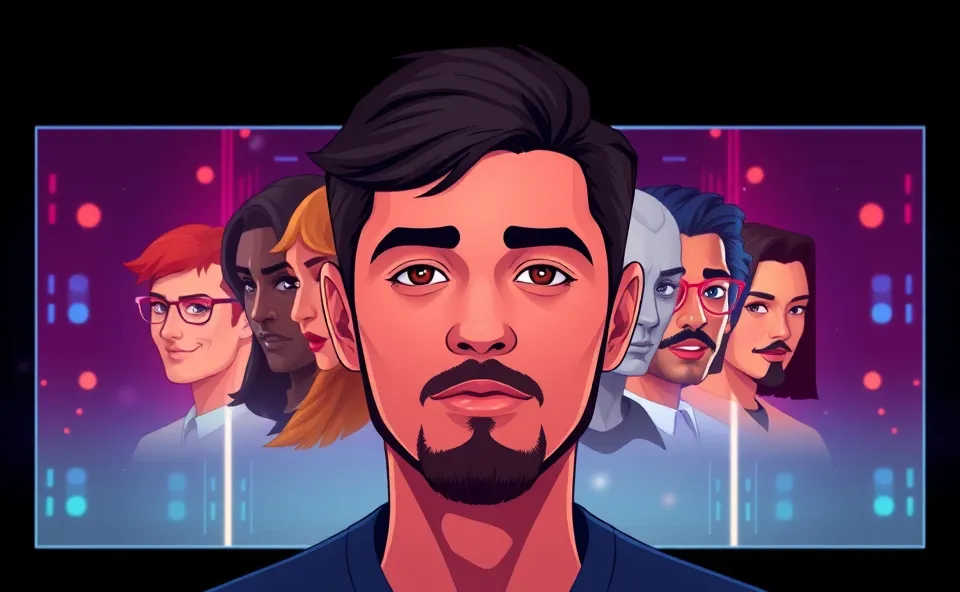
So, what exactly is this buzz about? Google’s creative software, known as Flow, has rolled out a brand new tool. This feature lets you essentially create your own avatar, but with a twist. You can use your own selfie videos as the starting point. Think of it like this: you record a short video of yourself, and the AI then uses that to build a digital version, a video model of you, that can be animated or used in different ways. It’s a fascinating step in AI creation software, making personalized digital selves more accessible than ever before. This isn’t about just picking a pre-made avatar; it’s about generating one that actually reflects you, based on your own movements and expressions.
Why the Sudden Interest in Google’s Deepfake Avatars?
The reason this is grabbing so much attention right now is pretty straightforward. We’re living in an era where artificial intelligence is rapidly evolving, and its creative applications are becoming more mainstream. When a company like Google, with its vast reach and resources, introduces a tool that leverages generative AI to create personalized deepfake avatars from selfie videos, it naturally sparks curiosity and discussion. It’s a glimpse into the future of digital content creation, and people are eager to see what this means for them. Plus, the word “deepfake” itself, while sometimes associated with negative connotations, here points to a powerful technology being used for creative and potentially fun purposes. This update is making that powerful tech feel a lot closer to home.
A Quick Look Back: The Journey to AI-Powered Avatars
To really appreciate what Google Flow is doing, it helps to remember where we’ve come from. For years, creating realistic digital characters involved complex 3D modeling and animation, requiring specialized skills and expensive software. Then came the rise of AI, which started making things like image generation and even rudimentary animation easier. We’ve seen AI tackle tasks like removing backgrounds from photos, creating art from text prompts, and even generating speech. Now, the focus is shifting towards dynamic content, like videos and personalized digital representations. Google has been a major player in AI research for a long time, and tools like Flow are a natural extension of that work. They’re taking cutting-edge AI research and packaging it into user-friendly applications, pushing the boundaries of what’s possible with artificial intelligence and making advanced capabilities more accessible for everyone.
What This Means for You and the Digital World
The implications of this new Google Flow feature are pretty significant. For everyday users, it opens up exciting new avenues for personal expression online. Imagine being able to create fun, animated videos of yourself without needing any video editing experience. You could potentially use these avatars in social media, personal messages, or even in virtual spaces. This democratization of creative tools is a huge part of the ongoing digital transformation. For businesses, particularly in content creation, marketing, and entertainment, this could lead to more efficient ways to produce personalized content. Think about personalized video messages from brands or unique character animations for games and films, all generated with greater ease. Technologically, it highlights the increasing sophistication of generative AI and its ability to understand and replicate human expressions and movements from simple inputs. It’s a clear indication that the future of content creation will be deeply intertwined with AI creation software, making sophisticated tools available to a wider audience.
Peering Ahead: What’s Next for AI Avatars?
Looking forward, this development suggests a future where creating realistic and personalized digital representations will become even more seamless. We might see these tools integrated into more platforms, allowing for real-time avatar generation and animation. Imagine attending a virtual meeting and having your digital avatar, powered by your live expressions, represent you. The quality and realism of these AI-generated avatars will likely continue to improve, blurring the lines between our physical and digital selves even further. It’s also probable that the ethical considerations around deepfake technology will continue to be a critical part of this evolution. As these tools become more powerful, discussions around responsible use and detection will become even more important, guiding how these innovations are implemented and adopted across society.
Your Deepfake Avatar Questions, Answered
What exactly is a deepfake avatar created by Google Flow?
A deepfake avatar created by Google Flow is a personalized digital representation of you, generated by artificial intelligence using your own selfie videos. The AI analyzes your facial movements and expressions from the video to create a digital model that can then be animated or used in various creative outputs, making it a powerful AI creation software tool.
How does Google Flow use selfie videos to create avatars?
Google Flow utilizes advanced generative AI algorithms. When you provide selfie videos, the software analyzes the data, learning your unique facial structure, expressions, and movements. It then uses this information to construct a realistic video model or avatar that mimics your likeness and can be controlled or animated, showcasing the capabilities of modern artificial intelligence.
Is this technology considered a deepfake, and are there ethical concerns?
Yes, the technology used to create personalized avatars from selfie videos falls under the umbrella of deepfake technology because it involves generating synthetic media that resembles a real person. While this specific application by Google Flow is aimed at creative and personal use, the broader implications of deepfake technology, such as misinformation, are ongoing ethical considerations that developers and users must be mindful of.
What are the potential creative uses for these AI-generated avatars?
The potential creative uses for AI-generated avatars are vast. They can be used for personalized social media content, animated messages, virtual performances, gaming characters, and even for creating virtual presenters. This AI creation software empowers individuals and businesses to produce unique digital content more easily, driving innovation in the creative industries and contributing to the ongoing digital transformation.
Will creating my own avatar with Google Flow require advanced technical skills?
No, the aim of tools like Google Flow is to make advanced artificial intelligence capabilities accessible to everyone. The process of creating your avatar from selfie videos is designed to be user-friendly, requiring no specialized technical skills. You provide the input video, and the software handles the complex AI processing, making it a tool for both casual users and creative professionals looking to leverage generative AI.











