Understanding How Global Politics Moves Your Money
When we talk about the movement of global money, we often think of stock markets or bank interest rates. However, one of the most powerful forces moving that money is politics. When a country elects a new leader, it is not just about who sits in the president’s chair. It is about the direction of the national economy, how that country treats international businesses, and how it interacts with global powers like the United States.
Think of the global economy like a massive ship. When the captain of a significant country changes, it is like a large engine room shifting gears. Even if you live on the other side of the planet, the ship’s speed and direction change, which affects everything from the price of your groceries to the value of your savings. Understanding this connection is vital because political stability is the bedrock of predictable financial planning.
How Presidential Elections Shift Economic Power
A presidential election acts as a signal to the world. Investors, companies, and international banks watch these events closely to decide where to put their money. If a new leader promises policies that are friendly to business, like lower taxes or deregulation, foreign investors are more likely to put cash into that country. If the policies seem risky, they may pull their money out.
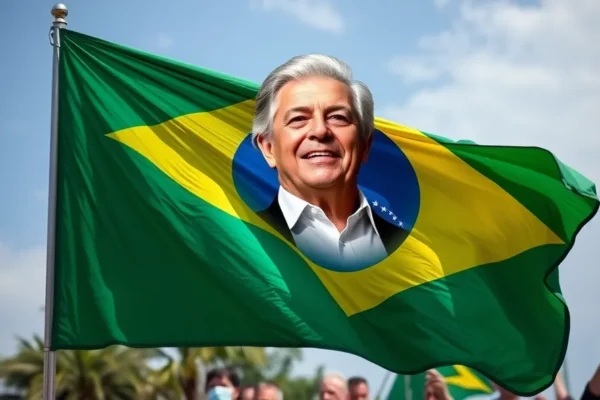
Imagine if your favorite local store changed owners. If the new owner stops selling your favorite items or raises prices significantly, you might stop shopping there and take your money elsewhere. Nations work the same way. When Luiz Inácio Lula da Silva won his presidential election in Brazil, the world watched to see how he would manage the country’s massive resources, such as its agriculture and mining sectors.
For example, if a leader decides to focus on environmental protections, companies that rely on logging or mining might see their profits drop. Conversely, companies focused on green energy might see their stock prices rise. This is the mechanism of market sentiment, where the collective hopes and fears of millions of investors create real changes in the value of currencies and stocks.
Why the Brazil Election Matters for Your Wallet
You might wonder why a knife-edge vote in a South American country should matter to an individual living in another country. The answer lies in trade and global inflation. Brazil is one of the world’s largest exporters of soybeans, coffee, and iron ore. When Brazil’s economy is stable, the price of these raw materials stays steady. If political turmoil causes the Brazilian currency to lose value, it can make it more expensive for them to trade, potentially pushing up the prices of goods you buy at the supermarket.
The election of Lula da Silva also marks a major shift in the influence of the United States in Latin America. Historically, the US has maintained close economic ties with its southern neighbors. A shift toward a different political ideology—often called a leftist victory—can change how those countries interact with Washington. For investors, this creates a situation of uncertainty. When uncertainty increases, the stock market often fluctuates, and interest rates may change to keep the national economy stable. For your personal finances, this means that retirement accounts or mutual funds invested in emerging markets may see higher volatility, or swings in value, following such a tight election result.
The Historical Context of Brazilian Politics
To understand the current situation, we must look at the recent past. Brazil has experienced a period of intense political polarization. The contest between the former president, Jair Bolsonaro, and Luiz Inácio Lula da Silva was historic in its closeness. According to the Superior Electoral Court of Brazil, the final tally was extremely tight, reflecting a nation divided down the middle.
Historically, Brazil’s economy has been defined by the “commodity super-cycle,” a period where the global demand for raw materials from countries like Brazil creates a massive influx of wealth. Over the last two decades, the country has moved through periods of significant growth followed by deep recessions. The most recent election was triggered by a desire for change after years of economic stagnation and social divide. As of 2026, the focus for investors remains on how the new administration balances social spending—money the government spends to support citizens—with the need to keep national debt under control.
Practical Implications for Financial Planning
How should you think about this when reading the news? First, avoid reacting to short-term headlines. Politics is noisy, but long-term economic trends are what truly impact your wealth. A common misconception is that a single election will instantly destroy or save an economy. In reality, most countries have institutions—like central banks and court systems—that act as guardrails against extreme shifts.
When you hear about a close election in a major nation, pay attention to the “risk premium.” This is the extra return investors demand for taking the risk of putting money into a volatile environment. If you hold international investments, look for stability over sensationalism. A diversified portfolio—one that holds a mix of assets from different regions—is your best defense against the localized impact of any single country’s political change. If you see headlines about a “leftist victory” or a specific candidate’s win, look at how the country’s central bank responds to the news, as that is a more accurate indicator of future economic stability than a campaign promise.
Connecting Politics to Broader Financial Concepts
Understanding the impact of a Brazil president election is part of a larger study in geopolitics and macroeconomics. Macroeconomics is the branch of economics that deals with the structure, performance, and decision-making of an entire economy. Understanding how global events trigger inflation helps you prepare for when your own currency loses purchasing power.
This topic connects directly to concepts like currency devaluation and emerging market risk. If you are interested in how these factors play out, you might want to look into how interest rates are set by the Federal Reserve, as these rates dictate the cost of borrowing for the entire world. Understanding these relationships is part of learning how global supply chains impact the price of your daily necessities.
Common Questions About the Brazil Election
How does the election of Lula da Silva affect global markets?
The election of a new president influences how foreign investors view the country’s stability. If investors believe the new policies will lead to economic growth, they invest more, which boosts the local currency and stock market; if they fear instability, they may move their capital to safer assets, causing volatility.
What is a knife-edge vote and why does it cause uncertainty?
A knife-edge vote refers to an extremely close election result. This creates uncertainty because it suggests a divided nation, which can make it harder for the government to pass laws or implement economic reforms, leading to hesitation among business leaders.
Does a leftist victory mean the end of foreign investment in Brazil?
Not necessarily. While different political ideologies have different approaches to business, most governments still seek foreign investment to grow their economies. Markets usually focus on the actual economic policies and the health of institutions rather than the political labels of the leader.
How does the change in US influence in Latin America impact your investments?
If US influence shifts, it can change trade agreements, tariffs, and diplomatic cooperation. For investors, this can affect which companies have access to foreign markets and which may face new regulatory hurdles, which can change the expected profitability of those businesses.
Can individual investors protect themselves from the impact of foreign elections?
Yes, by maintaining a well-diversified portfolio. By not putting all your money into one country or one sector, you reduce the risk that a single political event in a place like Brazil will significantly harm your total wealth.
This content is for educational purposes only and does not constitute financial advice. Financial decisions are personal and depend on your unique circumstances, including your risk tolerance, financial goals, and time horizon. Economic environments are complex and unpredictable, and past performance is never a guarantee of future results. It is strongly recommended that you consult with a qualified financial advisor before making any significant changes to your investment strategy or financial planning.