Understanding Strategic Reserves
Imagine you have a favorite treat you absolutely love, maybe it’s a special kind of cookie or a fancy chocolate. You know that sometimes, due to unexpected events like a factory shutdown or a sudden surge in demand, that treat might become hard to find or much more expensive. To make sure you can still enjoy it, you might decide to buy a few extra boxes when you see them on sale and keep them at home. This “stash” is a bit like a personal strategic reserve.
In economics, a strategic reserve is a stockpile of essential goods or commodities held by governments or organizations to ensure stability and manage supply disruptions. These aren’t just for personal enjoyment; they are critical for national security, economic stability, and managing potential crises. For example, countries maintain strategic petroleum reserves to buffer against oil supply shocks. Understanding strategic reserves helps us see how governments try to protect their economies and citizens from sudden shortages and price spikes.
How Quebec’s Maple Syrup Reserve Works
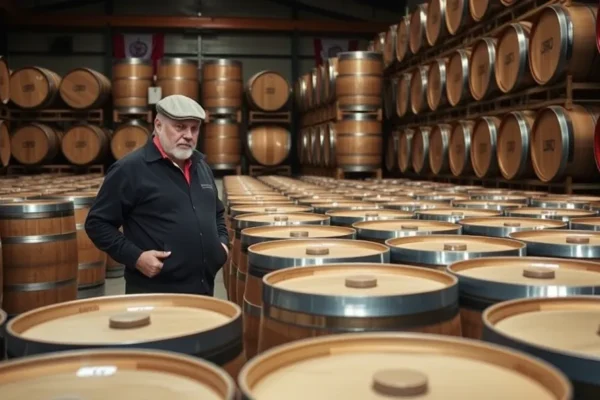
Quebec, Canada, is the world’s largest producer of maple syrup, accounting for about 70% of global production. To stabilize the market and ensure a consistent supply for consumers and businesses, especially those who use maple syrup as a key ingredient, Quebec created a unique system. The Quebec Maple Syrup Producers (QMSP), a farmer-run organization, operates a large “strategic reserve” of maple syrup.
Think of it like this: when production is very high in a good year, and there’s more syrup than the market needs immediately, QMSP buys the surplus and stores it. This prevents prices from crashing for farmers who would otherwise be flooded with unsold product. Then, in years when production is lower, or demand unexpectedly surges, QMSP can release syrup from the reserve to meet market needs. This buffering mechanism helps to keep prices relatively stable year-round and prevents drastic shortages. The reserve is carefully managed, with rules about how much syrup can be stored and when it can be released.
Why Maple Syrup Reserves Matter
The existence of Quebec’s strategic maple syrup reserves matters for several reasons. On a personal level, it means that when you buy maple syrup, you’re less likely to see wildly fluctuating prices or find it completely unavailable, even if there’s a bad harvest year. For businesses, especially in the food industry that relies on maple syrup for products like baked goods, candies, and breakfast items, this reserve provides a level of certainty in their supply chain. Without it, a poor harvest could lead to them having to reformulate products, find expensive alternatives, or even halt production temporarily.
Economically, it supports the livelihoods of thousands of maple syrup producers in Quebec and Canada. By preventing price collapses during bumper crops, it ensures they can continue their operations. However, the management of these reserves also has broader implications. When demand outstrips supply, and the reserve is drawn down, it can signal higher prices for consumers. This experience highlights the delicate balance in agricultural trade and how global events can impact even specialized markets.
The Impact of Trump Tariffs and US Hoarding
In recent years, the stability provided by the Quebec maple syrup reserves was put to the test. A key factor was the imposition of Trump tariffs by the United States. Tariffs are essentially taxes on imported goods. When the US, a major buyer of Canadian maple syrup, placed tariffs on various goods, it created uncertainty and disruptions in agricultural trade. Canadian producers feared that these tariffs might eventually extend to their products or affect the overall flow of goods between the two countries.
In anticipation of potential price increases or difficulties in securing supply due to these trade tensions, some US buyers began to hoard maple syrup. This means they started buying and storing more syrup than they typically would, to ensure they had enough on hand if supply became constrained or more expensive. This surge in demand from US buyers, driven by speculative buying and fear of future tariffs, put extra pressure on the available supply.
When Reserves Get Drained
Imagine the Quebec strategic reserve as a large pantry. Normally, it’s kept reasonably full, with enough for lean times. However, a combination of factors can start emptying that pantry faster than usual. In this case, the increased demand from US buyers, partly due to the uncertainty around Trump tariffs and their own stockpiling behavior, led to more syrup being released from the reserve than anticipated. Simultaneously, if there were also less-than-ideal syrup production years in Canada, it meant less new syrup was coming in to replenish the reserve.
This double whammy – increased outgoing due to demand and potential decrease in incoming due to production – meant that the strategic reserves, designed to buffer against shortages, were indeed nearing depletion. This situation created the conditions for a potential maple syrup shortage if demand continued unabated and production didn’t rebound. The QMSP had to carefully manage releases to avoid completely draining their reserves, a delicate balancing act for a crucial commodity.
Why This Matters for Your Finances
While a maple syrup shortage might seem like a minor inconvenience compared to other economic issues, it illustrates broader financial principles. When a key commodity faces supply chain disruptions or unexpected demand surges, prices tend to rise. This is basic economics: higher demand coupled with lower supply usually leads to inflation, or a general increase in prices. If you’re a consumer, this means the cost of maple syrup on grocery store shelves could increase. If you’re a business using maple syrup, your input costs go up, which could force you to raise your own prices or reduce profit margins.
This situation also highlights the interconnectedness of global markets. Policies in one country (like US tariffs) can have ripple effects on industries in another country (like Canadian maple syrup production) and impact consumers worldwide. It underscores why understanding supply chain dynamics and international trade policies is important, as they can indirectly affect the cost of goods you buy every day.
Historical Context of Maple Syrup Management
The concept of managing agricultural supplies isn’t new, but Quebec’s approach to maple syrup is particularly organized. The formal establishment of the strategic reserve by the Quebec Maple Syrup Producers became increasingly important as Canada solidified its position as the dominant global supplier. For decades, QMSP has worked to regulate production, marketing, and storage to ensure the stability and profitability of the industry. This proactive approach aimed to prevent the boom-and-bust cycles that plague many agricultural markets.
The current interest in the reserves was amplified by specific events. For instance, in 2017, reports emerged that the reserve had dropped significantly from its peak of around 100 million pounds, down to about 50 million pounds. This drawdown was attributed to a combination of strong global demand and slightly weaker production years. The subsequent discussions about tariffs and increased US demand further brought attention to the reserve’s status, showing how historical management strategies can be tested by contemporary geopolitical and economic events.
Thinking About Maple Syrup Reserves in Your Financial Life
When you hear about situations like the near-depletion of the Quebec maple syrup reserves, it’s a reminder of how delicate supply chains can be. This isn’t about personal financial advice on buying syrup, but about understanding broader economic forces.
- Diversification: Just as you might diversify your investment portfolio to reduce risk, economies and businesses rely on diversified sources and stable supplies. The reliance on one major reserve system, while effective, also presents a single point of vulnerability.
- Global Interdependence: Understand that events in one part of the world can impact prices and availability of goods in your local market. This is true for oil, microchips, and yes, even maple syrup.
- Impact of Trade Policies: Tariffs and trade disputes aren’t abstract concepts. They can directly influence the cost of imported goods and the viability of export industries.
A common misconception might be that strategic reserves are simply large warehouses gathering dust. In reality, they are dynamic tools requiring sophisticated management to balance storage costs, market needs, and risk mitigation. When you see news about a commodity’s reserves being low, it’s often a signal of potential future price changes.
Related Concepts to Explore
Understanding the dynamics of Quebec’s strategic maple syrup reserves connects to several other important financial and economic concepts. Commodity markets are central, as maple syrup is treated as a commodity with fluctuating prices and supply. The concept of price elasticity is also relevant – how much does the demand for maple syrup change when its price changes? Furthermore, the role of cartels and producer organizations, like QMSP, in managing supply and influencing prices is a key area of study in economics. Learning about these related topics can provide a deeper appreciation for how specialized markets function and interact with the global economy.
Frequently Asked Questions About Maple Syrup Reserves
What is the primary function of Quebec’s strategic maple syrup reserves?
The primary function is to stabilize the maple syrup market by storing surplus syrup during high-production years and releasing it during low-production years or periods of high demand, preventing price volatility for producers and consumers.
How did Trump tariffs affect the maple syrup reserves?
While Trump tariffs were not directly imposed on maple syrup itself, the general uncertainty and disruption in agricultural trade created by them, alongside other trade tensions, led some US buyers to stockpile, increasing demand and drawing down the reserves faster.
What is “US hoarding” in the context of maple syrup?
US hoarding refers to the action of US-based buyers and distributors purchasing and storing larger quantities of maple syrup than usual, driven by concerns over potential future price increases or supply disruptions due to trade policies or other market factors.
Can a maple syrup shortage actually happen?
Yes, a maple syrup shortage can occur if production is significantly low for multiple years and demand remains high, leading to the depletion of strategic reserves and insufficient supply to meet market needs.
How does this situation impact inflation?
When a product like maple syrup becomes scarcer due to depleted reserves and increased demand, its price naturally rises. This contributes to inflation, especially for specific food items, and can increase costs for businesses that use it as an ingredient.
Who manages the Quebec maple syrup reserves?
The reserves are managed by the Quebec Maple Syrup Producers (QMSP), an organization representing maple syrup farmers in Quebec, Canada, to ensure market stability and profitability for its members.
This educational content is for informational purposes only and does not constitute financial advice. Financial situations vary based on individual circumstances, and it is always recommended to consult with a qualified financial professional for personalized guidance. Past performance is not indicative of future results, and all investments carry risk.