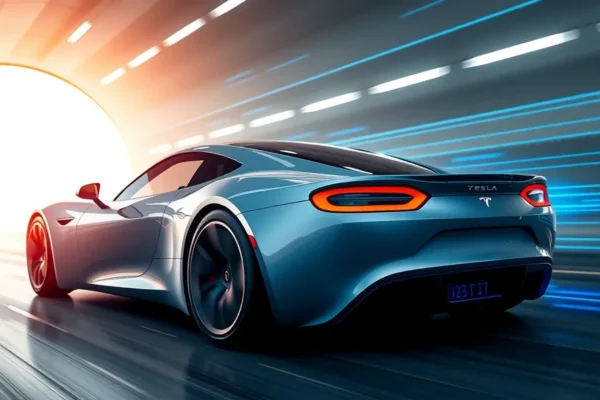
The New Tesla Roadster: Flying on the Ground to Hit 230 MPH?
Imagine a car that doesn’t just drive, but seems to hug the road like it’s glued down, especially when you’re pushing it to its limits. That’s the promise of the new Tesla Roadster, a car aiming for mind-blowing speeds of 230 mph. But how does a car, especially an electric vehicle performance machine, achieve such a feat without flying off the asphalt? Tesla is talking about some seriously clever engineering, particularly its active air management system. Think of it like the wings on an airplane, but working in reverse to keep you planted.
This isn’t just about going fast; it’s about doing it safely and predictably. For anyone fascinated by the cutting edge of automotive tech and what’s possible with Tesla engineering, understanding how they manage these extreme speeds is pretty compelling. It solves the age-old problem of extreme speed causing instability and lift. While most of us won’t be hitting 230 mph regularly, the principles behind this system contribute to a more stable and confidence-inspiring drive at any speed.
What Does This Car Actually Do For You?
At its core, the new Tesla Roadster is designed to deliver an unparalleled driving experience, blurring the lines between a sports car and a race car. The headline feature is its incredible acceleration and top speed, but the magic behind that is how it handles itself at those speeds. The active air management system is a prime example. It’s like having a smart assistant constantly adjusting the car’s aerodynamics in real-time.
When you’re cruising on the highway, it might be set up to minimize drag, helping the electric vehicle be more efficient. But as you demand more power and speed, the system automatically adjusts parts of the car – think spoilers and vents – to push the car down onto the road. This extra push, called downforce, is crucial. It works like a reverse airplane wing, pressing the car into the tarmac so it doesn’t lift off at high speeds. This means the Tesla Roadster feels incredibly stable and planted, even when you’re approaching its 230-mph limit. It’s about making extreme high-speed performance feel more accessible and controllable.
Who Should Be Drooling Over This Car?
Best for: The ultimate car enthusiast who prioritizes blistering performance, cutting-edge technology, and isn’t afraid of a significant price tag. If you dream of pushing automotive limits and experiencing the pinnacle of electric vehicle performance, this is designed for you. It’s for those who appreciate the engineering marvel of a 230-mph car and the advanced active aero that makes it possible.
Good for: Tech-savvy individuals looking for a statement piece that also happens to be incredibly fast. If you’re an early adopter who wants the latest and greatest in automotive innovation and can afford it, the Roadster offers a unique blend of performance and technology.
Skip if: You need a practical daily driver, have a tight budget, or are uncomfortable with the concept of extreme speed. The Roadster is a supercar through and through, meaning practicality is secondary to its performance capabilities. If you’re looking for cargo space or affordable transportation, this is definitely not the car for you.
How Does It Stack Up Against Other Supercars?
When you talk about a 230-mph car, you’re entering a realm of hypercars. Competitors include established names like Ferrari, Lamborghini, and Bugatti, all of whom have their own ways of achieving extreme speeds and vehicle stability. While traditional gasoline-powered supercars often rely on massive engines and sophisticated, but often passive, aerodynamic elements, the Tesla Roadster is an electric vehicle performance outlier. Its advantage lies in the instant torque of electric motors and its advanced active aero system, which can react much faster than mechanical systems in many combustion cars. The Tesla engineering team’s focus on software-controlled aerodynamics is a key differentiator. In terms of price, the Roadster is positioned to be less extreme than the absolute top-tier hypercars, aiming for a more accessible (though still very high) supercar supercar specs bracket. It offers a different philosophy: electrifying extreme performance with intelligent aerodynamics.
Getting Started: Is It Plug-and-Play Fast?
For a vehicle with such advanced technology, the setup for the end-user is surprisingly straightforward. You don’t need a degree in engineering to drive a Tesla. The core driving experience is designed to be intuitive, much like any other modern car, with a large central touchscreen controlling most functions. The active aero system operates automatically in the background, constantly optimizing itself based on speed and driving conditions. There’s no manual “activate flight mode” button. The learning curve is more about understanding the car’s immense power and the responsibilities that come with it, rather than mastering complex controls. Tesla’s interface is generally user-friendly, but like any high-performance machine, a period of getting acquainted with its capabilities is recommended for safe and enjoyable operation.
What’s Great About This High-Speed Machine?
- Unprecedented Acceleration: Beyond the 230 mph top speed, the Roadster’s electric powertrains promise acceleration that redefines quick. Expect to be pressed back into your seat like never before.
- Cutting-Edge Aerodynamics: The active aero system is a marvel of engineering, ensuring incredible vehicle stability and grip even at ludicrous speeds, making the Tesla Roadster feel surprisingly manageable.
- Sustainable Supercar: It offers supercar-level thrills with zero tailpipe emissions, aligning with the growing trend towards electric vehicle performance without the environmental guilt of traditional gasoline counterparts.
- Silent Speed: The whisper-quiet operation of electric motors at speed offers a unique and refined performance experience, contrasting sharply with the roar of conventional engines.
- Tesla Ecosystem Integration: Like other Teslas, expect seamless integration with charging networks and Tesla’s software updates, which can potentially improve performance and features over time.
Where Does the Dream Car Fall Short?
- Extreme Price Point: This is a luxury 230-mph car, meaning it will be out of reach for the vast majority of consumers, positioning it squarely in the supercar financial bracket.
- Limited Practicality: With its focus on performance, expect very little in terms of cargo space or passenger comfort, making it unsuitable for families or extensive travel.
- Availability Uncertainty: Past Tesla product launches have seen delays, and the exact release date and production volume for the Roadster remain somewhat fluid, which can be frustrating for eager buyers.
- Battery Performance at Extreme Speeds: While electric, sustaining 230 mph will likely drain the battery very rapidly, limiting the duration of such extreme performance and requiring frequent charging.
Price, Value, and If It’s Worth Your Cash
The Tesla Roadster is expected to have a price tag starting in the low $200,000s for the base model, with higher-performance “Founders Series” models commanding significantly more. Is it worth it? For a select few, absolutely. If you are looking for the absolute pinnacle of electric vehicle performance, groundbreaking aerodynamics, and the prestige of owning a piece of automotive future, the value proposition is there. However, for most consumers, the price is an insurmountable barrier. Budget alternatives for thrilling electric drives exist in lower-priced EVs, and for pure supercar specs at this price, there are many established gasoline-powered options. Long-term value might depend on Tesla’s ability to deliver on promises and maintain its technological edge.
The Final Word: Who Should Hit the “Order” Button?
The new Tesla Roadster, with its ambitious goal of a 230-mph car capability powered by advanced active aero, is a testament to what Tesla engineering can achieve. It’s a dream machine for the ultimate car enthusiast who craves electrifying speed and revolutionary technology. If you have the means and the desire for the bleeding edge of electric vehicle performance, this car represents a significant leap forward. However, if practicality, affordability, or everyday usability are your priorities, the Roadster is best admired from afar. It’s a niche product for a very exclusive audience, offering an unparalleled, albeit brief, taste of hypercar performance.
Your Burning Questions Answered
What’s the main benefit of the active air management system on the Tesla Roadster?
It creates downforce, pushing the car onto the road, which is essential for vehicle stability and safety when you’re driving at extreme speeds like the 230-mph car target.
How does the Tesla Roadster achieve 230 mph?
It combines Tesla’s powerful electric motors with sophisticated aerodynamics, including the active air management system, to overcome drag and maintain grip at very high velocities.
Is the Tesla Roadster a practical car for daily use?
No, it’s designed as a high-performance supercar. Expect limited practicality in terms of space and comfort compared to a typical daily driver.
How does the active aero system work in simple terms?
Think of it like the car intelligently adjusting its shape, using elements like spoilers and vents, to create grip on the road as you speed up. It’s a dynamic system that reacts instantly.
What are the main competitors to the Tesla Roadster?
Competitors in this extreme performance bracket include other electric hypercars and high-performance gasoline supercars from brands like Bugatti, Ferrari, and Lamborghini, though the Roadster aims for a distinct electric advantage.
When can I actually buy the new Tesla Roadster?
Production timelines for the Roadster have been subject to change. It’s advisable to check Tesla’s official website for the most up-to-date information on availability and release dates.
Product prices and availability vary by region. Verify current pricing before purchase.